
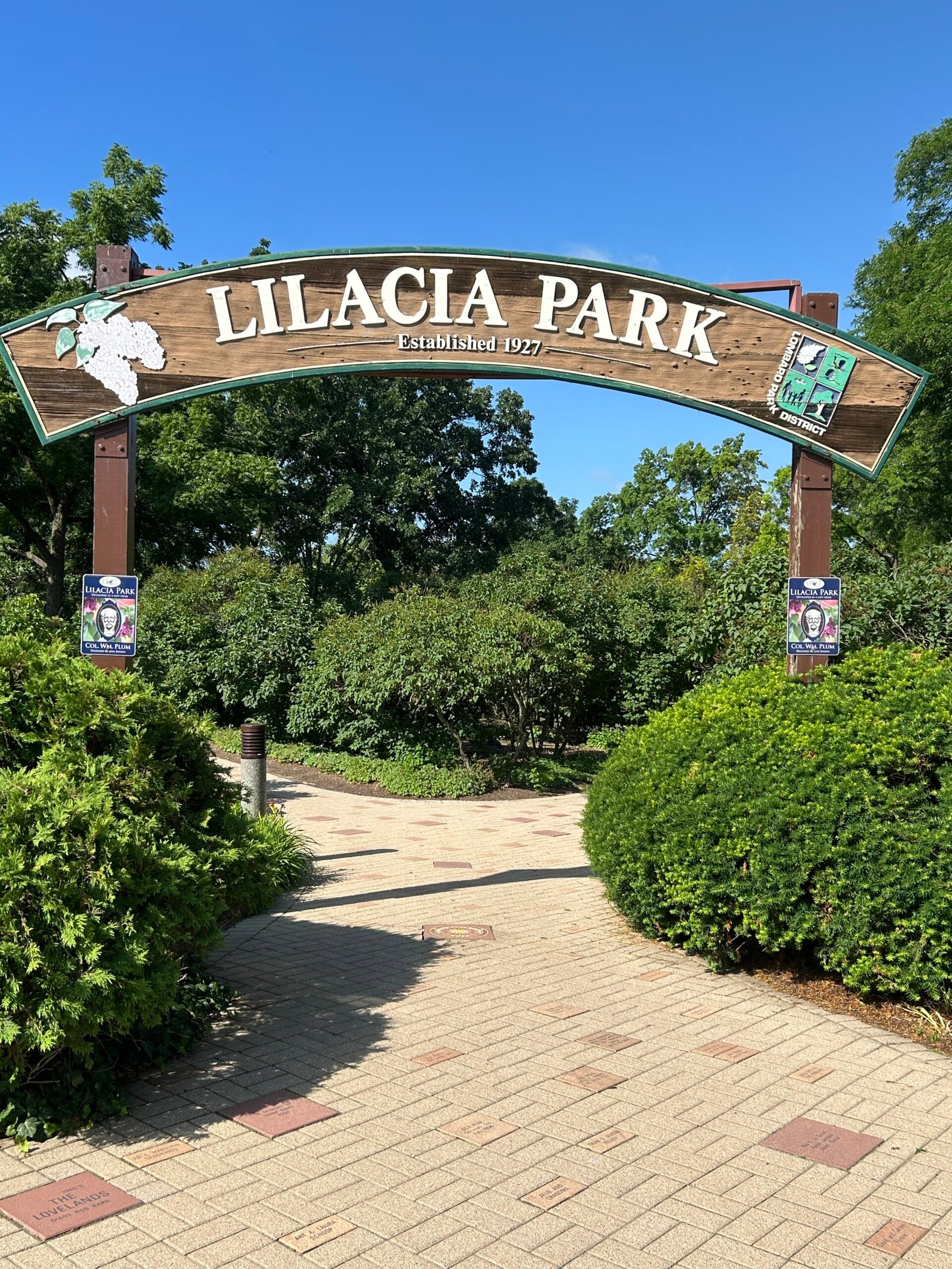
Lilacia Park: Lilacs, Tulips, History and Photo Stops
A historic 7.12-acre public garden in Chicago’s western suburbs with more than 700 lilacs, thousands of tulips, mature trees, sculptures and nearly a century of Lombard history.
Is Lilacia Park in Lombard Worth Visiting?
Yes—especially if you enjoy gardens, photography, historic places or quiet outdoor stops.
This 7.12-acre historic public garden in Chicago’s western suburbs is best known for more than 700 lilacs and approximately 35,000 tulips planted annually.
Located at 150 S. Park Avenue in Lombard, Lilacia Park combines horticultural history, mature trees, seasonal flowers, sculptures, walking paths and nearly a century of community heritage in one compact garden.
I visited outside Lombard’s famous spring Lilac Time season.
I did not see the park covered in thousands of tulips or its lilac collection at peak bloom, but I found a beautifully maintained garden filled with late-season flowers, interesting details, sculptures and quiet corners for photography.
Lilacia Park Quick Planning Guide
What Is Lilacia Park?
Lilacia Park is a historic public garden in downtown Lombard known nationally for its lilac collection and large annual tulip display.
The Lombard Park District currently lists more than 700 lilacs and approximately 35,000 tulips planted annually.
Beyond the flowers, the park includes horticultural areas, mature trees, a butterfly garden, pond, historic structures, sculptures, benches, walking paths, public restrooms and an approximately 0.61-mile walking trail.
Because the park is relatively compact, it works well as either a destination on its own or a peaceful stop during a larger day exploring Lombard, Glen Ellyn and other western Chicago suburbs.
Why Is Lilacia Park Famous?
Lilacia Park is famous for its historic collection of lilacs and the annual Lombard Lilac Time celebration held each May.
The gardens become especially colorful in spring when thousands of tulips bloom among the park’s lilac collection.
Bloom timing changes from year to year because both tulips and lilacs respond to weather and temperature.
If seeing peak flowers is the main reason for your visit, check the official Lombard Lilac Time website and its current bloom updates before making a special trip.
What Is the History of Lilacia Park?
Lilacia Park began as the private estate of Colonel William Plum and his wife, Helen Maria Williams Plum.
The Plums developed an interest in lilacs during a European trip that included a visit to the gardens of renowned French horticulturist Victor Lemoine in Nancy, France.
According to the Lombard Park District’s history of Lilacia Park, the couple purchased two lilac cultivars from Lemoine’s collection: the double white Syringa vulgaris ‘Mme Casimir Périer’ and the double lilac-colored Syringa vulgaris ‘Michel Buchner’.
The park’s present lilac collection traces its beginnings to those two plants.
After Helen Plum died in 1924, Colonel Plum eventually arranged for the property to benefit the community.
When he died in 1927, his will directed that the land be given to the people of Lombard as a public park and that the family home become a free public library and reading room in Helen’s memory.
Lombard residents accepted the gift in September 1927, and the Lombard Park District was established.
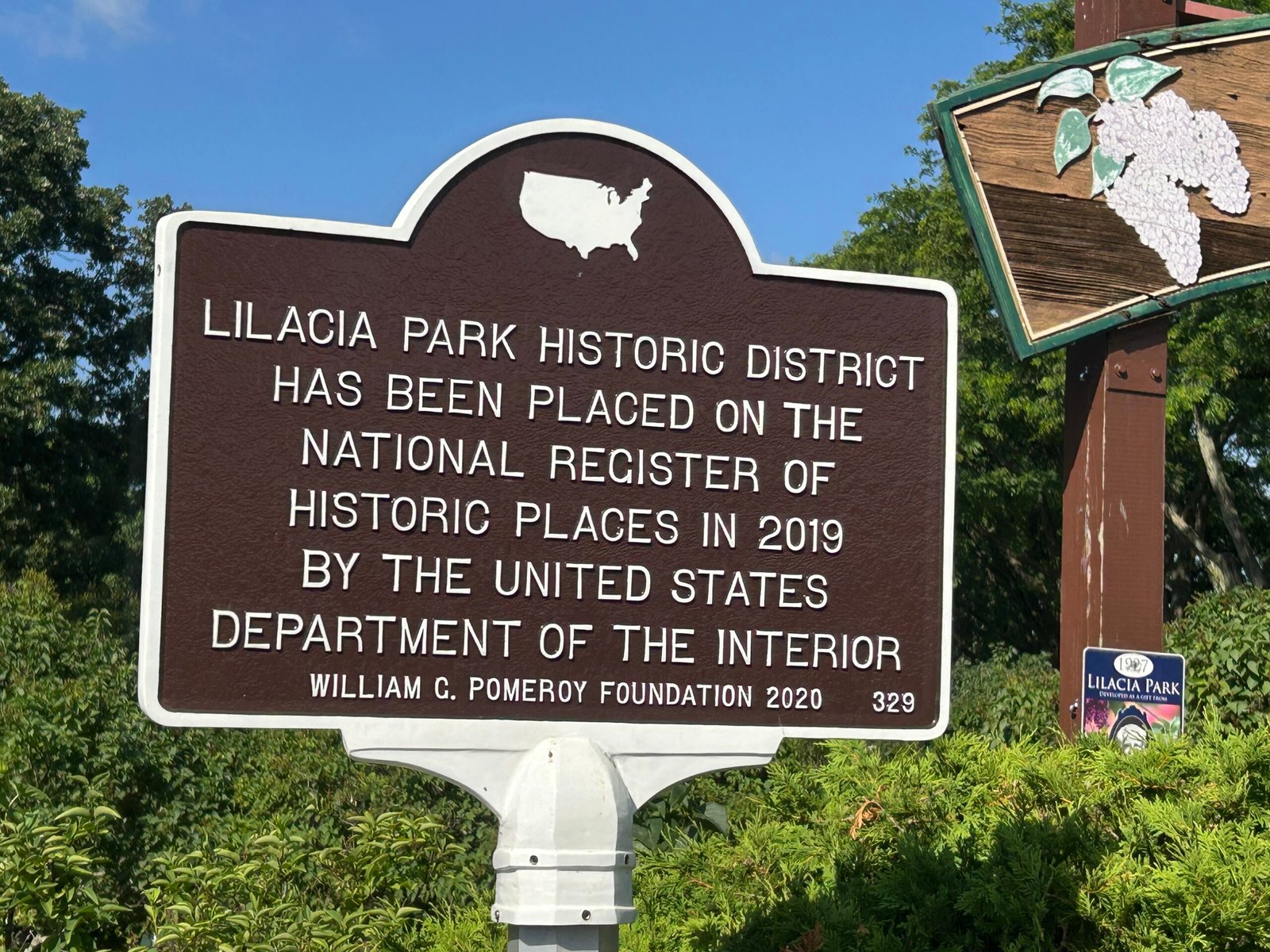
Lilacia Park Historic District was listed on the National Register of Historic Places in 2019.
What Does Jens Jensen Have to Do With Lilacia Park?
Famed landscape architect Jens Jensen was commissioned by the new Lombard Park District to help design the public garden that became Lilacia Park.
The property was initially known as the Lombard Community Garden.
Jensen’s involvement is one of the historic elements recognized in the park’s National Register documentation.
Why Is Lilacia Park Historically Significant?
The Lilacia Park Historic District was listed on the National Register of Historic Places in 2019.
The National Park Service listing identifies the property at 150 S. Park Avenue and recognizes its significance as a recreational and horticultural landscape associated with Jens Jensen.
Understanding the Plum family’s gift and the park’s role in Lombard’s horticultural identity adds another layer to a visit that could otherwise seem like a simple walk through a garden.
What Is Lilacia Park Like Outside Lilac Season?
Outside peak spring bloom, Lilacia Park becomes a quieter historic garden rather than the enormous floral display often shown in May photographs.
That was the version of the park I experienced.
Instead of walls of lilacs and thousands of tulips, I found late-season flowers, bright green foliage, mature trees, landscaped paths, sculptures and smaller garden details that made me slow down and look more carefully.
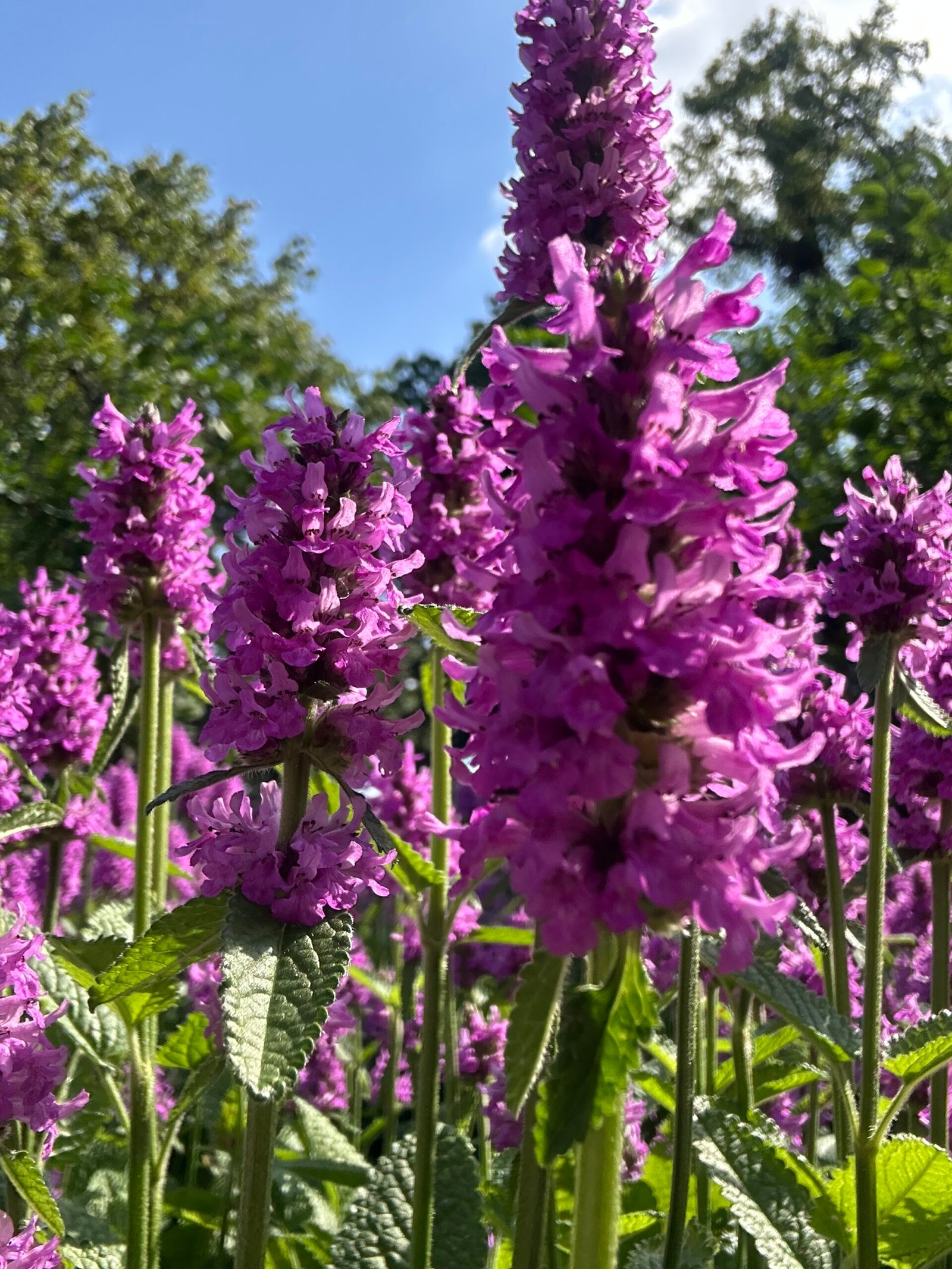
Even outside peak lilac season, there was plenty of color throughout the gardens.
Looking Beyond the Famous Lilacs
The tall purple flowers were especially photogenic in the afternoon sunlight.
Instead of trying to photograph entire garden beds, I concentrated on individual blooms and smaller compositions.
That slower approach became one of the benefits of visiting outside peak spring season.
Small Garden Subjects Made Stronger Photographs
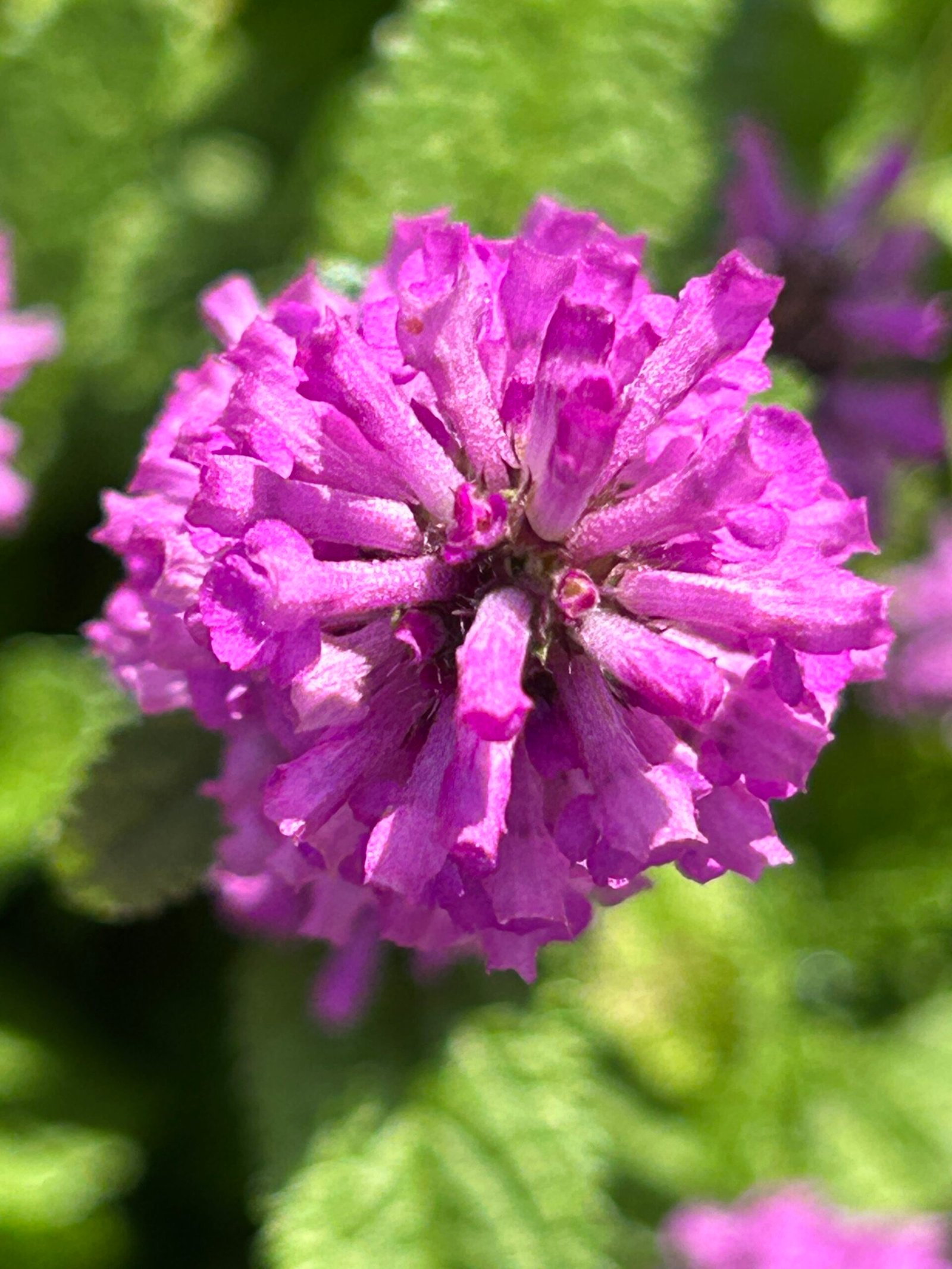
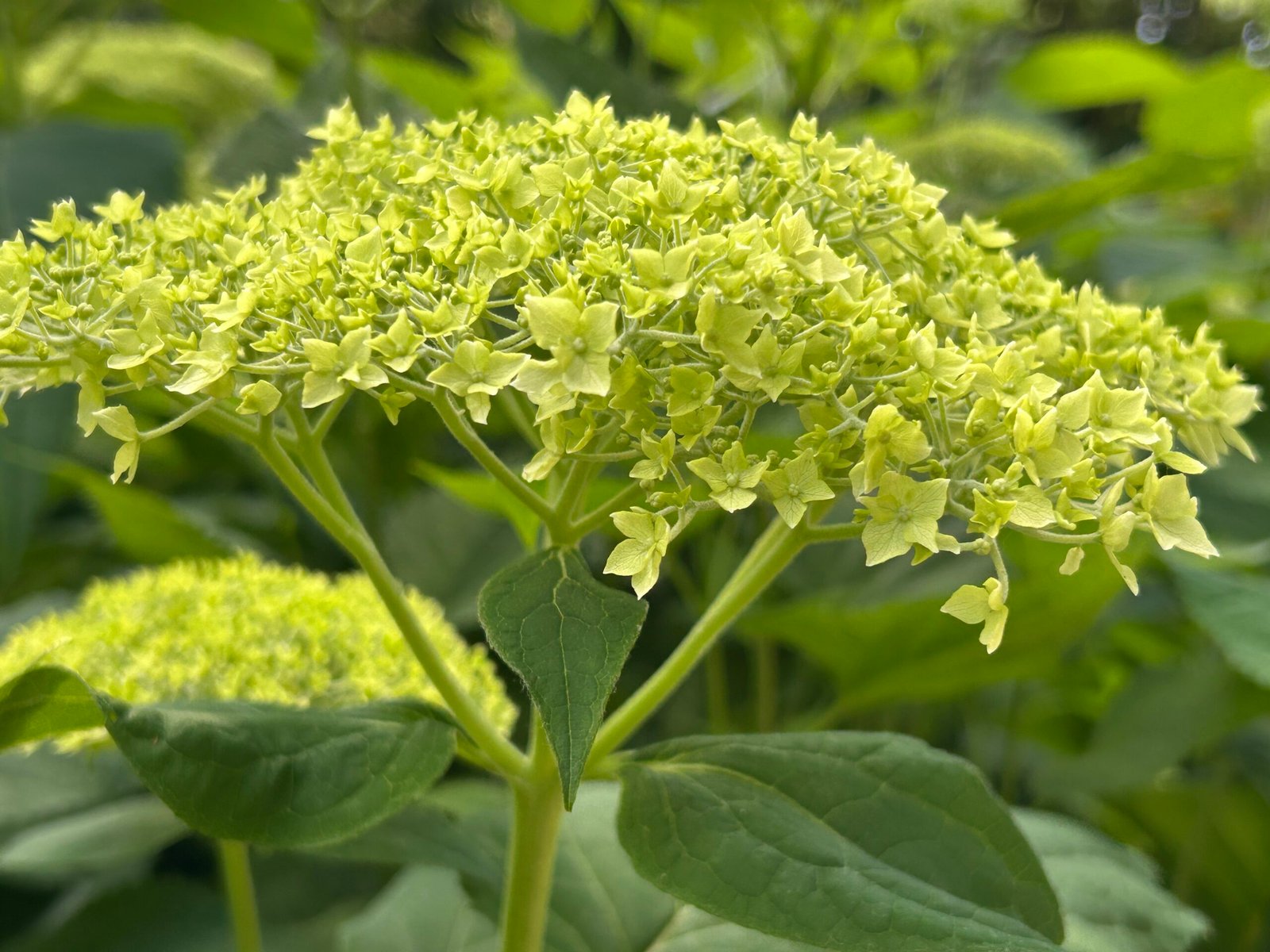
Close-up photography turned individual flowers into some of my favorite subjects in the park.
Green and white blooms tucked among the foliage offered a completely different look from the purple flowers nearby.
Looking beyond the brightest blooms revealed interesting textures, shapes and layers throughout the gardens.
What Else Can You See Besides Flowers?
Lilacia Park also rewards visitors who pay attention to its trees, sculptures, historic features and smaller landscape details.
I found myself noticing sunlight filtering through tree branches, the texture of evergreen needles and sculptures placed throughout the landscaping.
Details like these keep the park visually interesting even when its famous lilacs are not blooming.
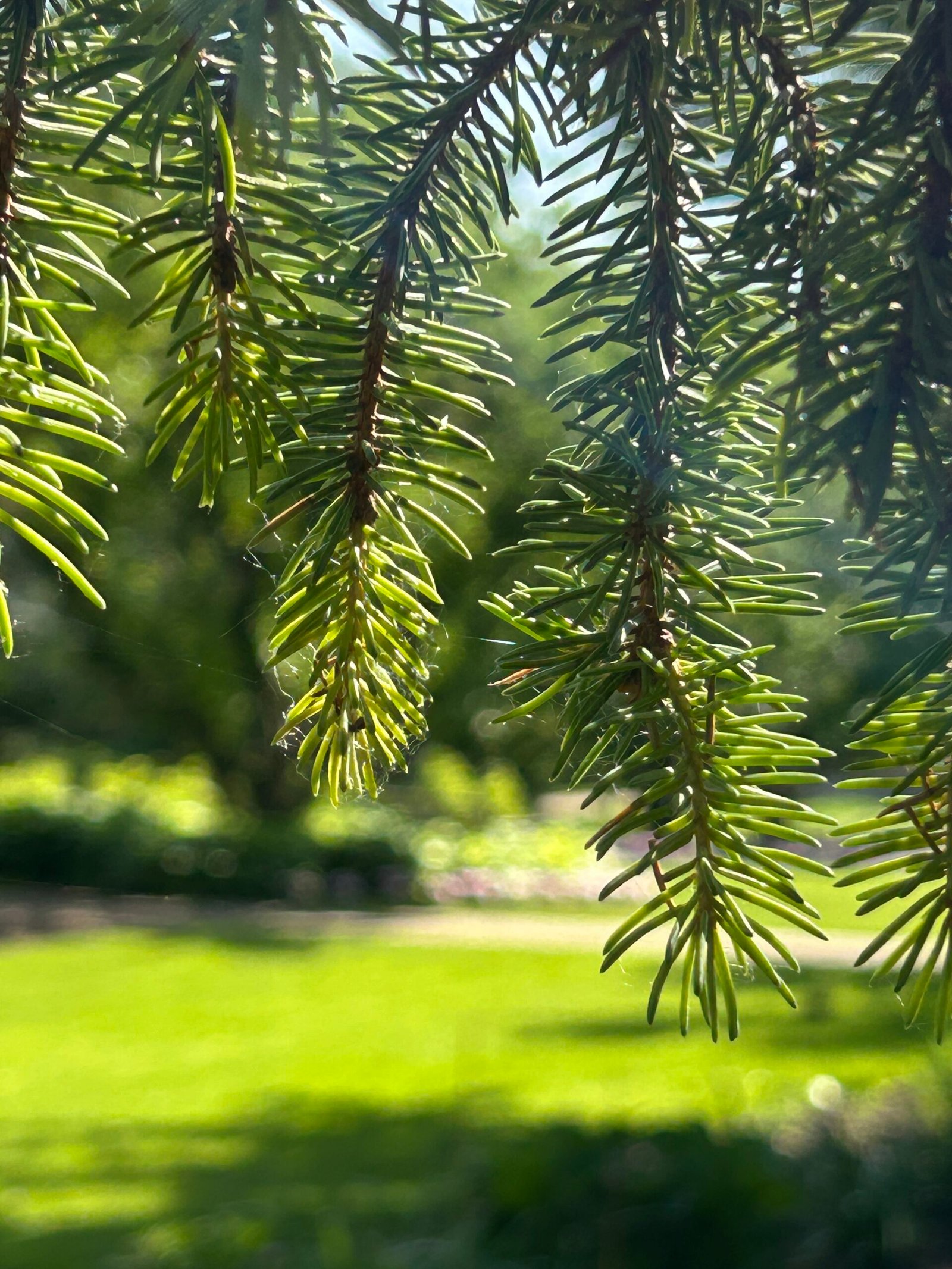
Simple garden scenes can become interesting photographs when the light is right.
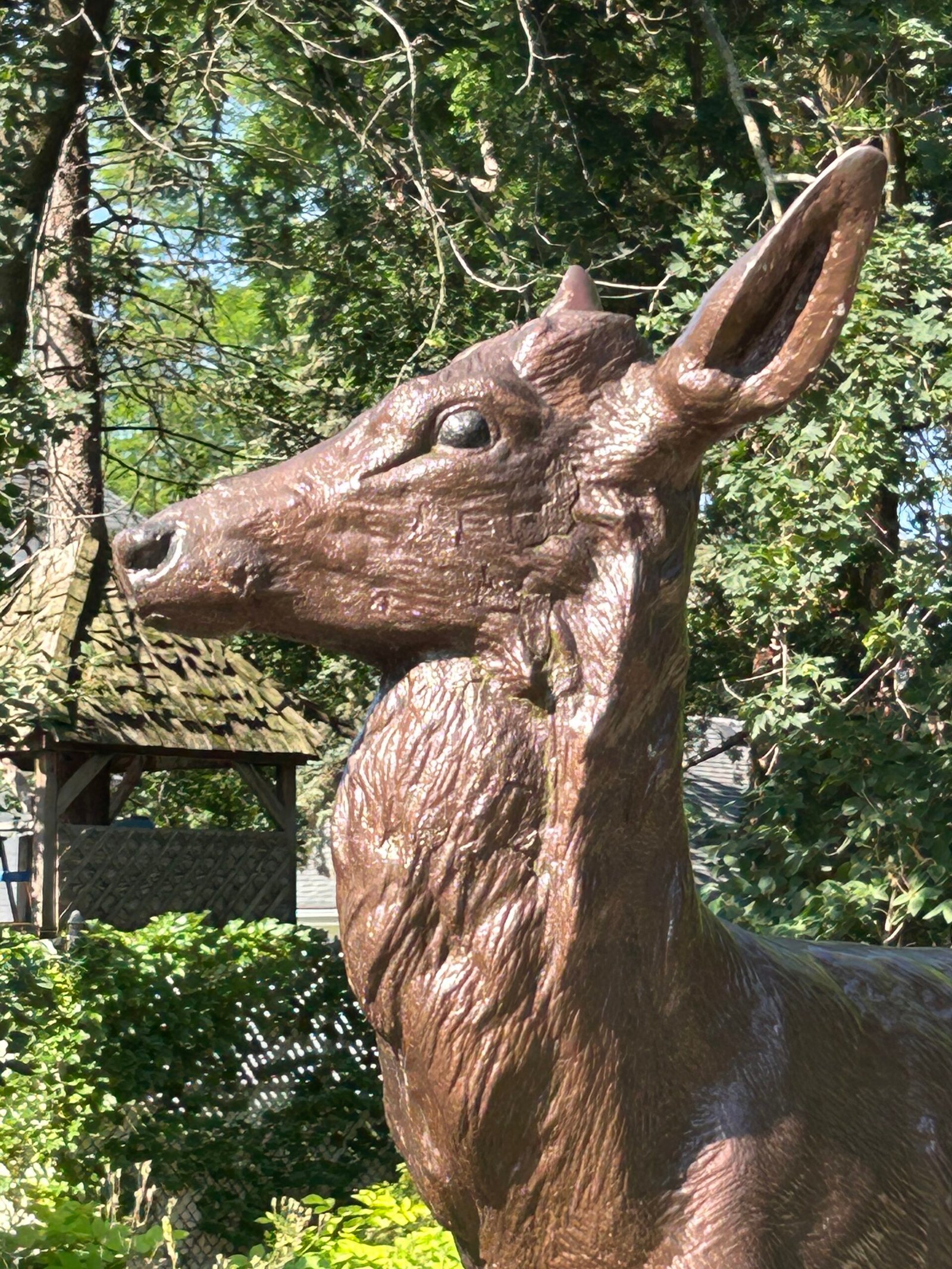
Garden sculptures add another layer of visual interest to Lilacia Park.
The Details That Caught My Eye
Sunlight filtering through the evergreen branches turned a simple garden scene into a photograph worth stopping for.
A bronze deer sculpture also caught my attention among the landscaping.
Those quieter subjects helped make the off-season visit feel less like a substitute for spring and more like a different way to experience the same park.
When Is the Best Time to Visit Lilacia Park?
If lilacs and tulips are your priority, spring is the best time to visit Lilacia Park.
Tulips typically bloom from around mid-April into early May, although weather can move that window earlier or later.
Lilacs generally begin blooming from late April into May and can continue into June depending on the cultivar and weather.
Lombard’s annual Lilac Time celebration takes place during May and brings additional events and visitors to the park.
Peak bloom cannot be guaranteed on a particular date.
Before planning a trip specifically around flowers, use the current bloom information and event schedule on the official Lilac Time website.
If crowds are a concern, official tulip guidance recommends considering weekday mornings during peak spring bloom.
Is Lilacia Park Worth Visiting Outside Spring?
Yes—if you enjoy gardens, photography, history or a peaceful outdoor walk and understand that the experience will look very different from peak Lilac Time.
I would not visit in late summer or fall expecting the enormous spring displays you see in May photographs.
Instead, think of it as a small historic garden where you can enjoy seasonal blooms, landscaping, public art, mature trees and Lombard history.
For me, visiting outside the famous season had one advantage: I paid more attention to individual flowers, texture, light and sculptures instead of concentrating only on large flower beds.
How Should You Photograph Lilacia Park?
Mix wide garden photographs with close-ups of individual blooms, foliage, sculptures and historic details to tell a more complete visual story of Lilacia Park.
You do not need elaborate camera equipment. Gardens are excellent places to practice simple smartphone compositions.
For more smartphone and travel-photography advice, visit my Travel Photography Tips.
Planning a Visit to Lilacia Park
What Else Can You Do Near Lilacia Park?
Lilacia Park works especially well as part of a day exploring Chicago’s western suburbs.
Lilacia Park FAQ
Where is Lilacia Park?
Lilacia Park is located at 150 S. Park Avenue in Lombard, Illinois 60148, in Chicago’s western suburbs.
How much does Lilacia Park cost?
General admission to Lilacia Park is free. Individual special events may have separate charges.
What are Lilacia Park’s hours?
Lilacia Park is currently open year-round, daily from dawn to dusk.
When do the tulips bloom at Lilacia Park?
Tulip timing varies with weather, but the typical bloom period is around mid-April through early May. Check current bloom information before making a flower-focused trip.
When do the lilacs bloom at Lilacia Park?
Lilacs are weather-dependent and may begin blooming from late April through May, with some varieties continuing into June.
How many lilacs are at Lilacia Park?
The Lombard Park District currently says Lilacia Park contains more than 700 lilacs.
How many tulips are planted at Lilacia Park?
Approximately 35,000 tulips are planted annually.
Is Lilacia Park on the National Register of Historic Places?
Yes. The Lilacia Park Historic District was added to the National Register of Historic Places in 2019.
Are dogs allowed in Lilacia Park?
No. Current Lombard Park District rules prohibit dogs, cats and other pets inside Lilacia Park.
Is Lilacia Park worth visiting outside Lilac Time?
Yes, as long as you do not expect peak spring flower displays. My off-season visit still included seasonal blooms, mature trees, sculptures, historic details and plenty of photography opportunities.
Is Lilacia Park Worth Visiting?
For me, yes—even outside peak bloom.
I went knowing that the famous spring lilacs would not be the focus of my visit. That changed what I noticed.
Without massive spring flower displays competing for attention, I spent more time photographing individual blooms, sunlight through trees, garden sculptures, historic markers and smaller textures throughout the landscape.
Would I return during Lilac Time to see the park filled with lilacs and tulips? Absolutely.
But my visit also showed that Lilacia Park does not have to be experienced during its most famous season to be worth including in a western Chicago suburbs itinerary.
Before you go: Check the official Lilacia Park page for current hours, park conditions and policies, especially if you are visiting during spring bloom or a special event.
About Angela
Angela Addington is the travel photographer and writer behind Lenses & Latitudes. She shares firsthand destination guidance and practical photography advice for independent and solo travelers, women over 50, road-trippers and weekend explorers. Learn more about Angela.

