
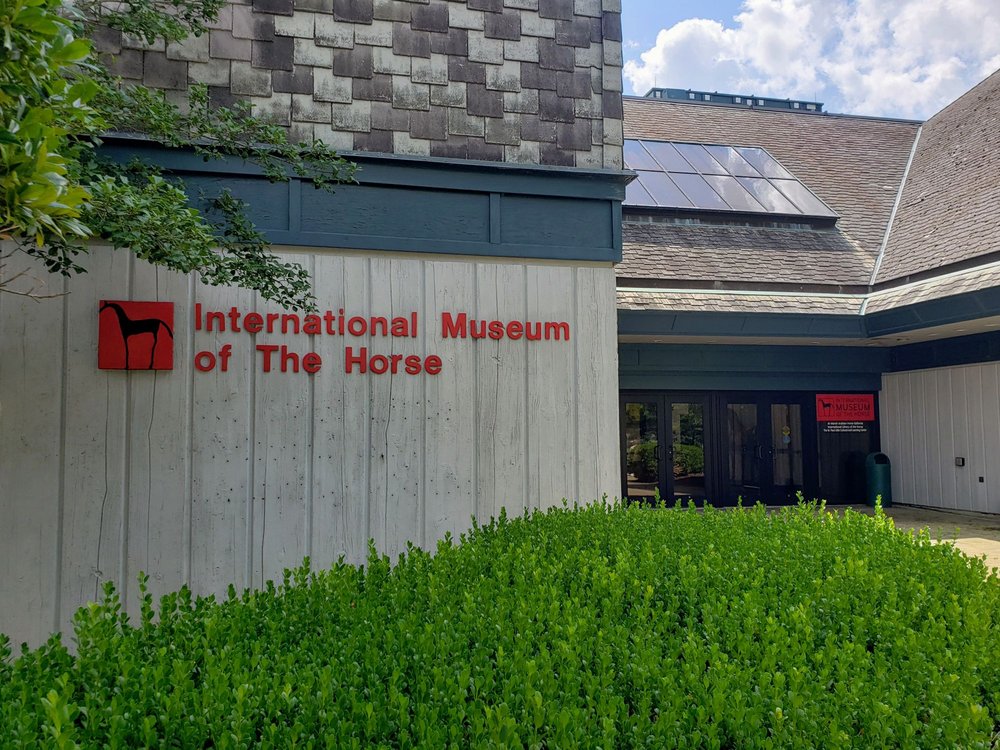
International Museum of the Horse
Located inside the Kentucky Horse Park in Lexington, the International Museum of the Horse explores how horses have shaped transportation, agriculture, warfare, sport, art and cultures around the world.
Its extensive galleries make it worthwhile for horse enthusiasts, history lovers, families and travelers looking for a distinctly Kentucky experience.
What to See at Kentucky’s International Museum of the Horse
This guide covers what you can expect to see, which exhibits deserve extra time and the practical details to know before visiting.
The museum is much more than a collection of racing trophies. Its galleries tell the broader story of the relationship between horses and people across centuries and cultures, while its Kentucky-focused exhibits connect that global history directly to the Bluegrass.
The museum is currently undergoing renovations, so some exhibits may be temporarily closed or changed. Because the precise gallery route and availability of individual displays can vary, check current conditions before your visit.
Hours, admission and exhibit availability can also change. Confirm the latest information on the official Kentucky Horse Park website before leaving home.
International Museum of the Horse Quick Guide
Lexington, Kentucky
Closed Tuesdays
10 a.m.–4 p.m.
Admission: Kentucky Horse Park admission varies by season and visitor category. Check current rates before your trip rather than relying on older published pricing.
Accessibility note: The main visitor attractions are within walking distance, with some inclines and turf surfaces but no steps.

Explore the Global History of Horses
The International Museum of the Horse uses artifacts, artwork, photographs and interactive displays to trace the relationship between people and horses across centuries and continents.
The permanent collection explores how horses influenced transportation, agriculture, warfare, communication, recreation and competitive sport.
Begin with the broad historical galleries to understand how horses were domesticated and how different cultures developed their own equestrian traditions.
The museum contains far more than most visitors can absorb quickly. Give yourself time to slow down and explore rather than treating it as a quick walk-through.
Current Exhibits Worth Seeing
The museum’s featured exhibits explore horse culture from several distinct perspectives. Availability may change during renovations, but these were listed as current exhibits when this guide was updated in August 2026.
Uma no Kokoro: Heart of the Horse
This exhibit examines the horse’s place in Japanese history and culture, including spirituality, warfare, agriculture, horsemanship and modern racing.
Its mix of historical objects and cultural storytelling makes it especially valuable for visitors interested in the horse’s influence beyond the United States.
Al-Marah Arabian Horse Galleries
These galleries trace the Arabian horse from its early domestication in the Middle East through its spread into Europe and the United States.
Interactive technology, artwork and historical artifacts explain the breed’s enduring influence on horses around the world.
Calumet Farm: Five Decades of Champions
This exhibit highlights one of Kentucky’s most celebrated Thoroughbred farms.
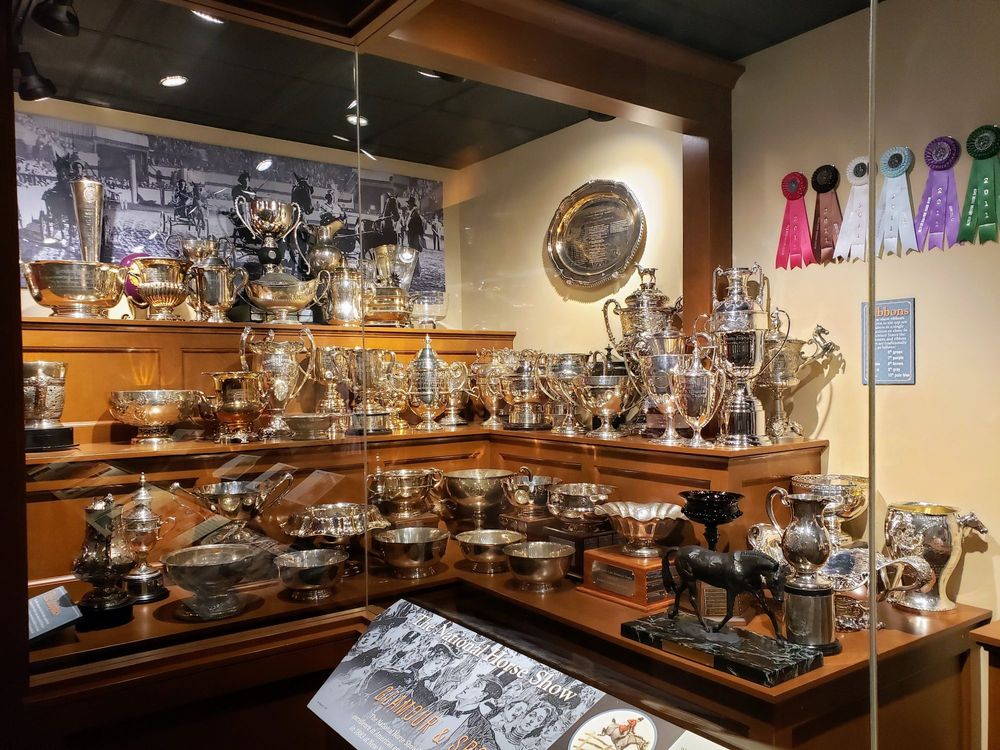
Its collection includes hundreds of racing trophies alongside paintings and stories connected to the farm’s champion horses, providing a strong introduction to Kentucky’s racing legacy.
Discover Kentucky’s Thoroughbred Racing Legacy
The museum’s Kentucky-focused displays connect the broader history of the horse with the state’s identity as a center of Thoroughbred breeding and racing.
Racing silks, photographs, trophies, artwork and stories introduce visitors to the people, farms and horses that helped establish the Bluegrass as an internationally recognized equestrian region.
These galleries are particularly useful if your Lexington itinerary also includes Keeneland, a horse farm or another equestrian attraction.
A Broader View of Kentucky Horse History
The museum also documents contributions that traditional racing histories have often overlooked.
This important collection preserves and shares the stories of Black jockeys, trainers, grooms, owners and other professionals whose work helped shape American Thoroughbred racing.
Together, these perspectives provide useful historical context before visiting Keeneland, a horse farm or another Lexington equestrian attraction.
Is the International Museum of the Horse Good for Families?
Yes, particularly for children who are already interested in horses. Interactive displays, visual exhibits, historical objects and educational activities help break up the text-heavy galleries and introduce younger visitors to horse history in an approachable way.
The Kentucky Horse Park also schedules Facts & Fun at the Museum, an informal program featuring objects and topics such as saddles, horse anatomy and Hall of Champions highlights. Times can change by season, so check the daily schedule when you arrive.
A Simple Kentucky Horse Park Itinerary
Use this flexible order to experience the museum and several Kentucky Horse Park highlights without feeling rushed.
Pick up the current park map and daily presentation schedule before deciding exactly how to structure your visit.
Begin with the global history galleries and continue through the featured exhibits.
Check the day’s schedule for the Hall of Champions, Breeds Barn or another presentation location.
Explore galleries you skipped earlier and spend additional time with the Kentucky racing exhibits.
Consider the Kids Barn, Memorial Walk of Champions or the park’s equine sculptures.
Is the International Museum of the Horse Worth Visiting?
It offers much more than racing trophies and riding equipment.
Its galleries show how horses influenced civilizations, shaped industries, inspired art and developed lasting relationships with people around the world.
The museum is strongest as part of a broader visit to the Kentucky Horse Park, where its historical exhibits provide context for the horses, demonstrations, barns and memorials found outside.
Even visitors with only a casual interest in horses can find meaningful stories and impressive artifacts within the collection.
Because renovations and seasonal schedules may affect what is available, check current conditions before your visit. Then give yourself enough time to explore slowly—the details, photographs and lesser-known stories are often what make the museum most memorable.
More Lexington & Kentucky Travel
Continue exploring Lexington’s equestrian culture with a behind-the-scenes look at Keeneland.
Plan a longer Kentucky road trip or short getaway from the Bluegrass.
About Angela
Angela Addington is the travel photographer and writer behind Lenses & Latitudes. She shares firsthand destination guidance and practical photography advice for independent and solo travelers, women over 50, road-trippers and weekend explorers. Learn more about Angela.
Give the Museum Time to Tell Its Story
The International Museum of the Horse is one of those places where slowing down makes the experience better. Look beyond the largest displays and racing trophies to the artwork, historical objects, photographs and individual stories woven throughout the galleries.
Combined with the live horses and outdoor attractions at the Kentucky Horse Park, the museum helps explain why Lexington’s equestrian identity reaches far beyond the racetrack.
Pingback: Indoor Things to Do in Lexington, KY: The Perfect Winter Weekend Itinerary - Lenses and Latitudes
Pingback: Kentucky Three-Day Event Guide: What to Know Before You Go - Lenses and Latitudes