
An African-Inspired Safari Experience in the Georgia Countryside
I never expected to find an African-inspired safari experience in the Georgia countryside, but Georgia Safari Conservation Park proved that memorable wildlife adventures can be closer to home than we realize.
I visited during my August trip after advertisements for the park caught my attention. As an animal lover, I was intrigued by the chance to observe wildlife in spacious, naturalistic environments instead of a traditional zoo.
Wildlife, Photography & an Animal-First Philosophy
The experience exceeded my expectations because of the close views, conservation education, and respect shown for each animal’s choices.
Located in Madison, Georgia Safari Conservation Park offers guided tours, animal experiences, and luxury overnight accommodations.
My visit lasted approximately two hours and included the giraffe and ambassador animal areas followed by an hour-long guided ride through the park’s open fields.
What My Georgia Safari Experience Included
My visit combined close wildlife observation, conversations with knowledgeable guides and time in the park’s open fields, with plenty of opportunities to photograph the animals along the way.
Arriving at Georgia Safari Conservation Park
After checking in, security escorted me in my own vehicle to the Lodge area, where I met my guides.
The property immediately felt different from a conventional zoo, with open land, thoughtfully designed animal areas, and a team eager to discuss both the park’s purpose and its residents.
A Giraffe Encounter Led by the Animal
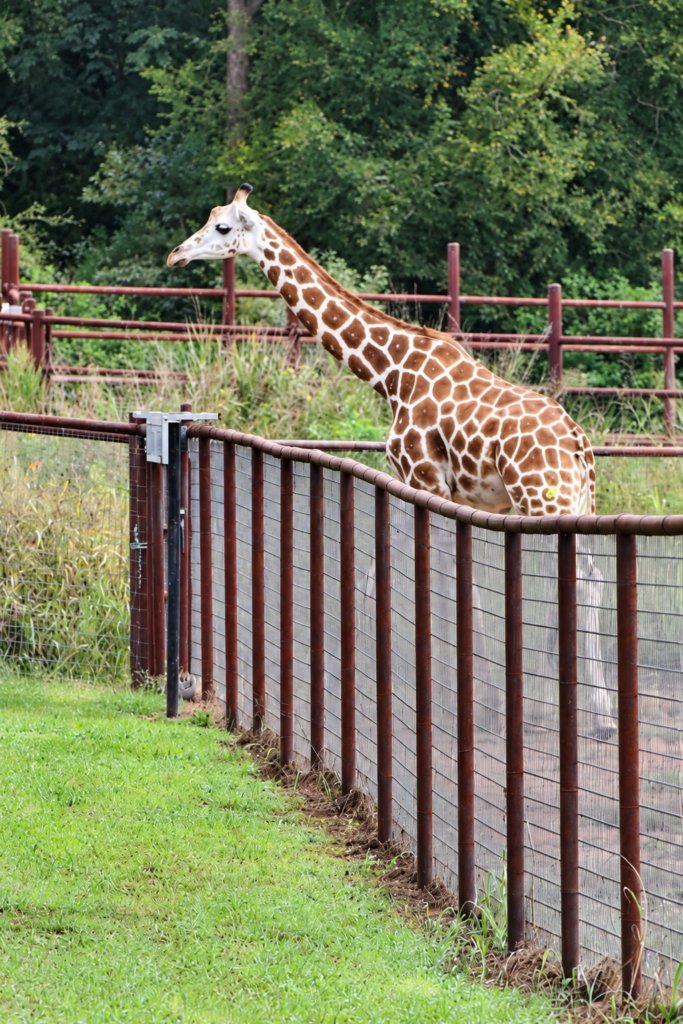
My first stop was the giraffe feeding platform, where I hoped to meet Phoenix. The park’s approach became clear almost immediately: animals are never forced to participate.
Phoenix was not interested in interacting that day, so I saw him in the giraffe area but did not feed him.
Although I would have loved the encounter, I appreciated the staff respecting his choice. The experience was about meeting an animal on his terms—not guaranteeing a performance.
My guides shared information about Phoenix, the giraffe herd, and the park’s history and future. Their knowledge and willingness to answer questions made the experience feel personal.
Meeting the Ambassador Animals
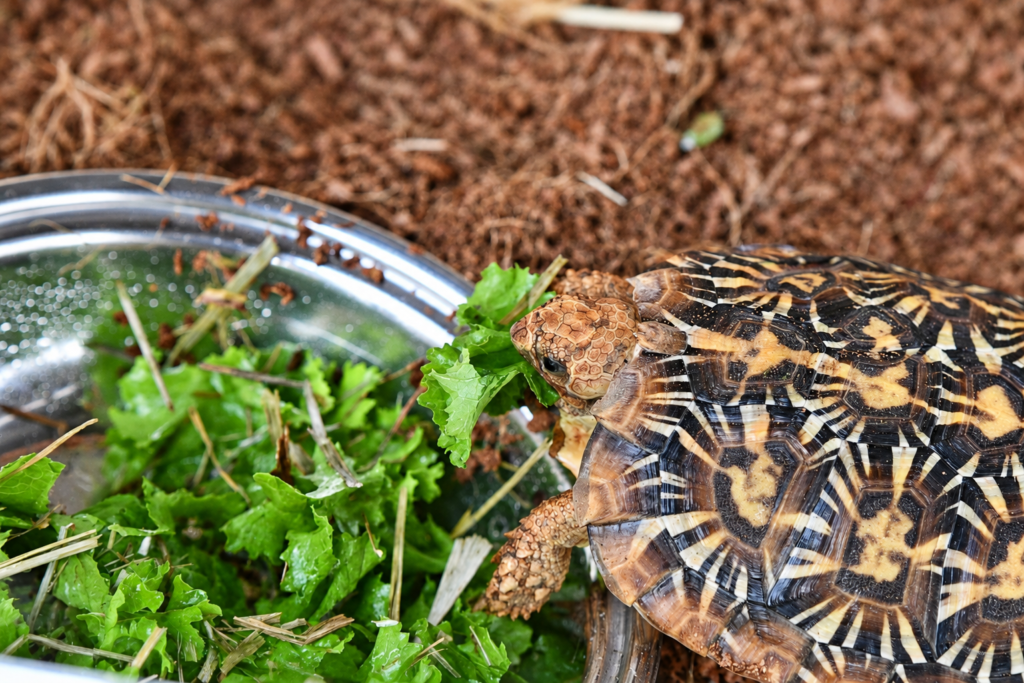
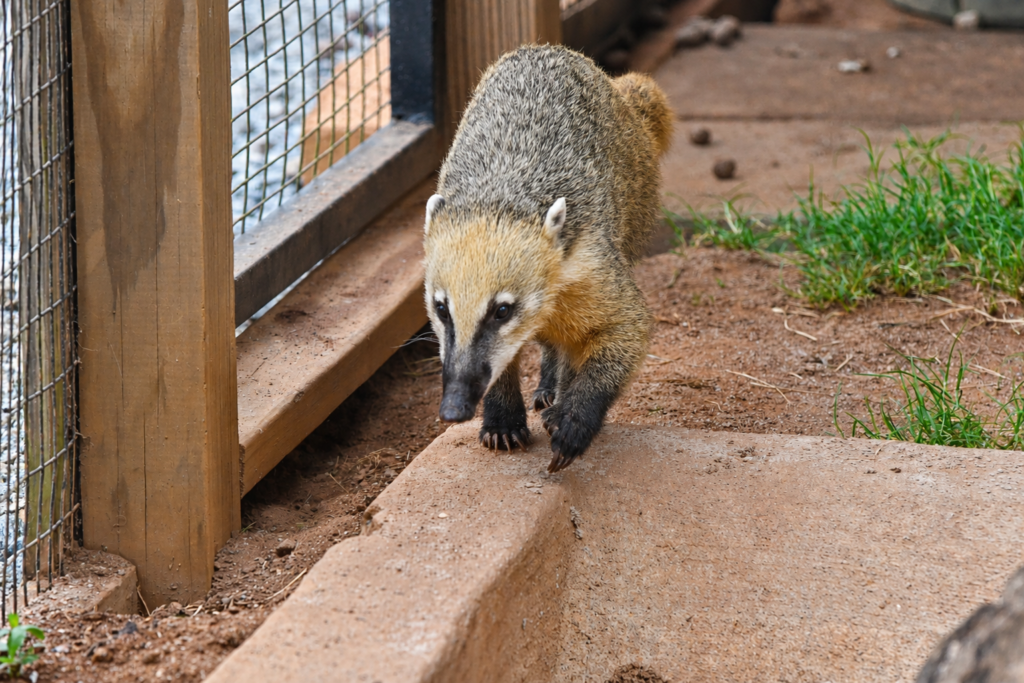
Next, I visited several ambassador animals. Georgia Safari is a no-touch facility, so they remained in their habitats while keepers discussed their personalities and roles as ambassadors.
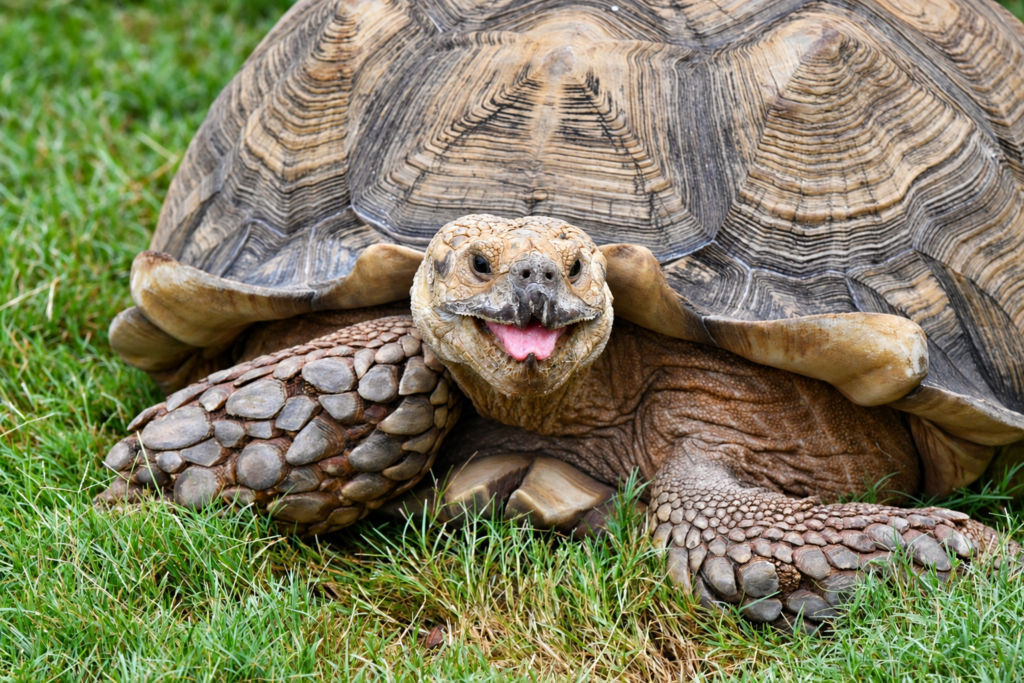
One keeper brought a smaller tortoise into a covered viewing area, allowing me to see it closely without handling it. I also learned how the animals’ individual stories help visitors better understand wildlife and conservation.
The education felt conversational, with plenty of room to ask questions.
Riding Through the Open Fields
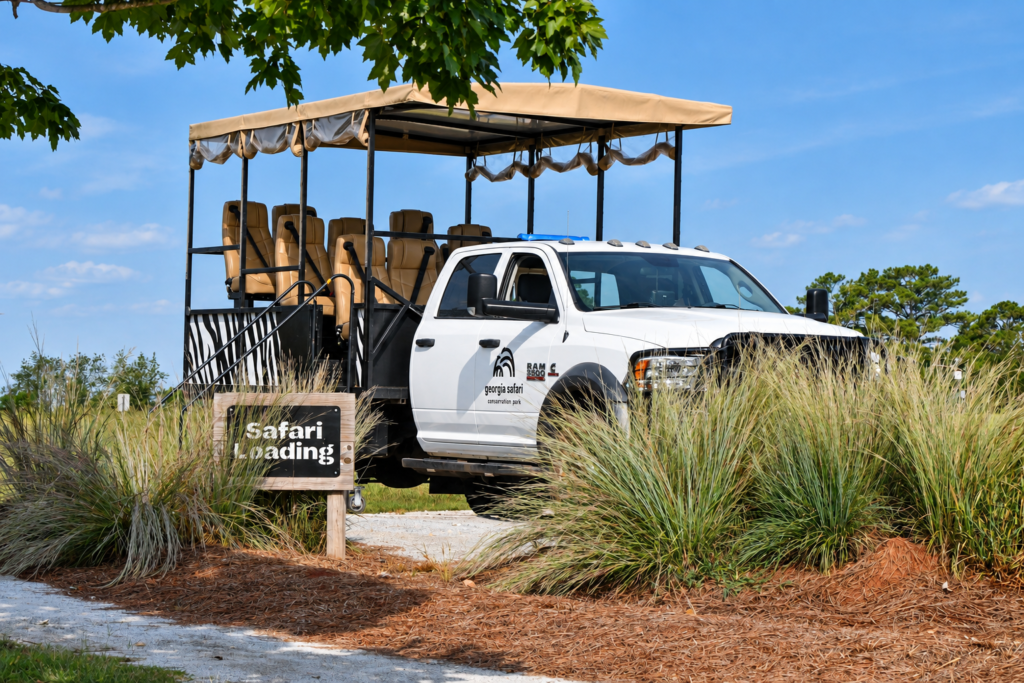
I then boarded an open-air safari truck for an approximately one-hour tour of the back fields. The vehicle had individual seats beneath a canopy and was comfortable, although the route was bumpy at times—as expected when crossing open fields.
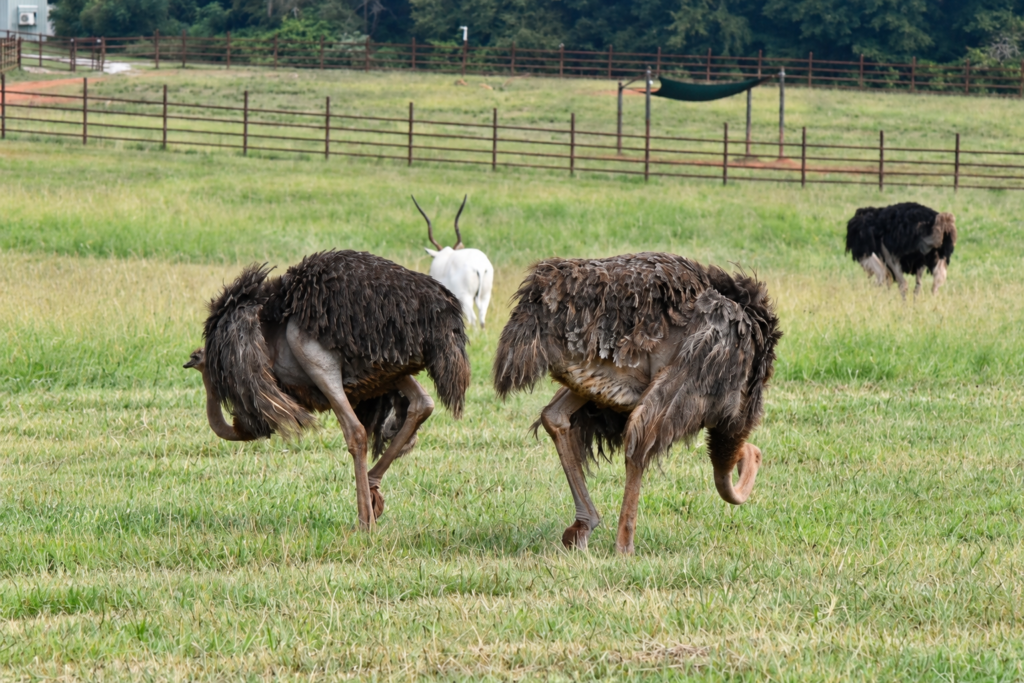
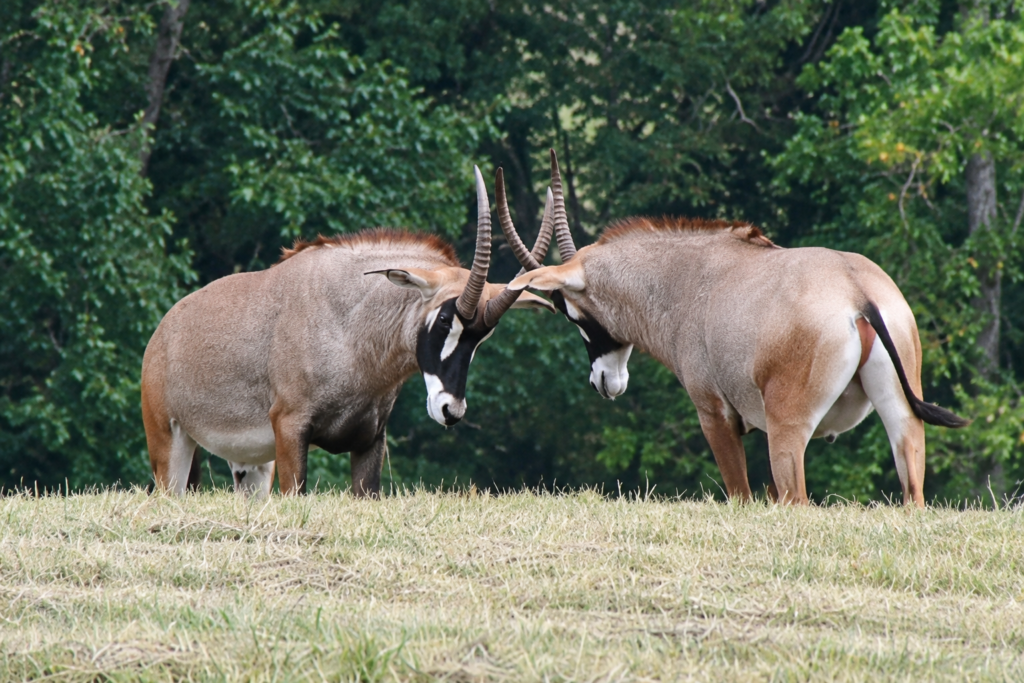
The driver stopped near groups of animals, giving me time to observe and take as many photographs as I wanted. Meanwhile, the guide explained the species, their interactions, and which are endangered or at risk.
I was fascinated by different species sharing the open landscape. Watching mixed groups graze and move across the same broad fields revealed behaviors and relationships I might have missed in a more traditional setting.
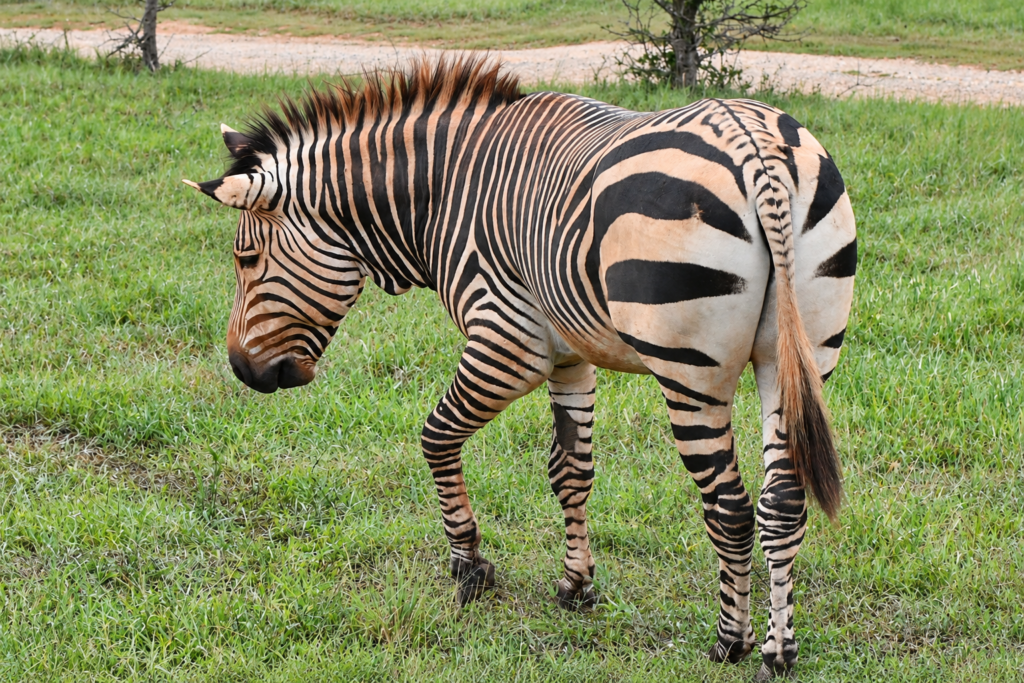
Zebras Just Feet from the Truck
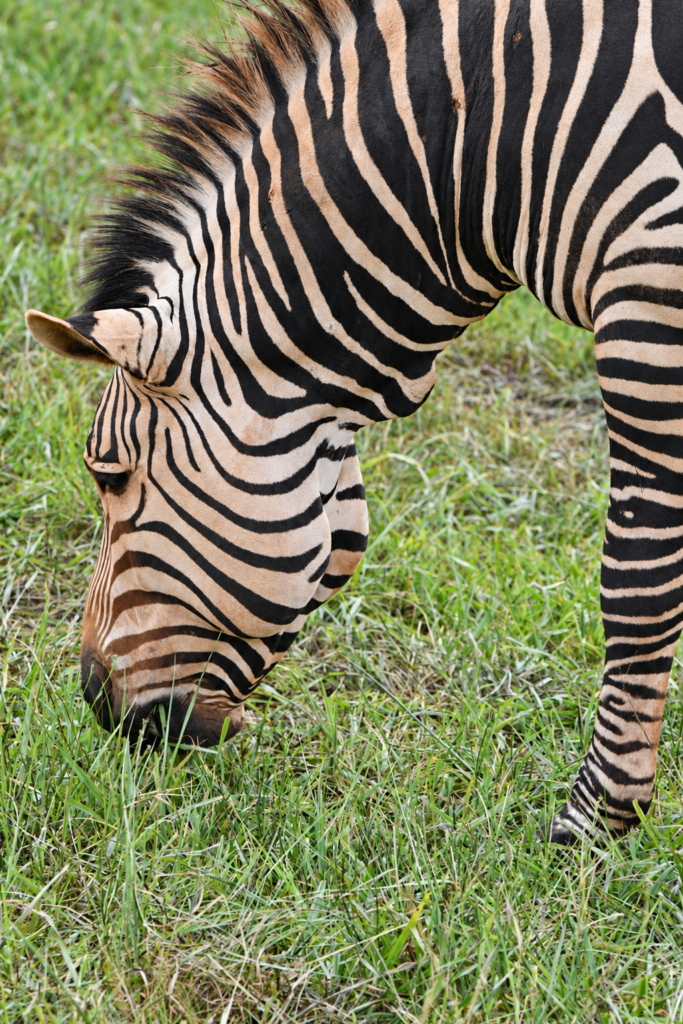
The zebras were another highlight. At one point, they were only a few feet from our vehicle—close enough for me to study their patterns and photograph details that would have been difficult to capture from a distant platform.
We were simply given time to watch the animals move naturally through the field, which was exactly what I had hoped to experience.
Conservation Through Connection
Seeing the animals was exciting, but the educational component gave the tour lasting meaning. We learned about species that are endangered or at risk and why managed conservation efforts matter.
The park’s animal-first philosophy was visible throughout my visit, from allowing Phoenix to decide whether he participated to giving the field animals space while we observed.
If you enjoy respectful wildlife experiences, you may also want to read about my visit to Tanganyika Wildlife Park in Kansas. The parks offer different adventures, but both show how knowledgeable staff can turn an animal sighting into a meaningful story.
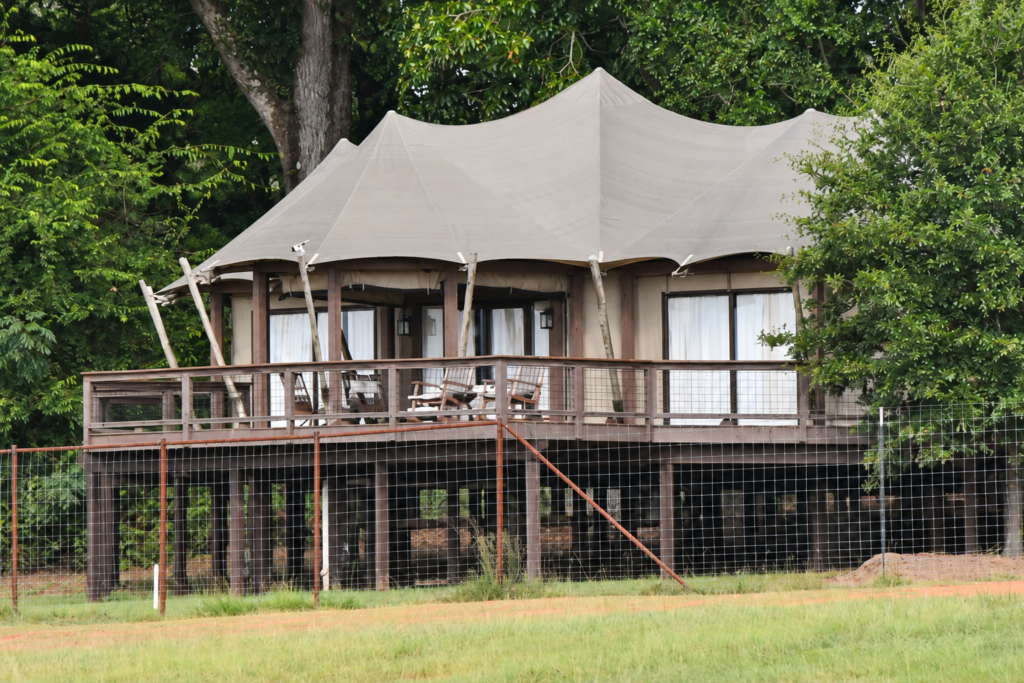
Can You Stay Overnight at Georgia Safari?
Yes—and the overnight options are now part of my future plans.
The park’s climate-controlled luxury safari tents are two-bedroom retreats that sleep up to four guests. They include modern amenities, private decks, and views of animals grazing on a private savanna.
Seeing one during my tour made me want to return for an overnight stay.
The Giraffe Suite has large windows overlooking the giraffe and rhino barn. It accommodates up to four people and includes designated park tours.
Planning Your Visit
Allow about two hours for a visit similar to mine, although timing depends on the experience you reserve.
Arrive 15 to 30 minutes before your scheduled experience.
Wear closed-toe shoes suitable for the experience.
Bring a drink or purchase one in the visitor center.
A longer lens helps in the fields, while closer animals may work well with wider compositions.
They are useful for animals that remain farther from the vehicle.
Secure cameras, phones and loose belongings before the truck moves.
Is Georgia Safari Conservation Park Worth Visiting?
Absolutely. The open spaces, knowledgeable guides, unhurried photography opportunities, conservation education, and respect for the animals combined to create an experience that exceeded my expectations.
Being able to ask questions throughout made it personal rather than scripted.
After the field tour, I returned to the visitor center and drove my own vehicle out of the park. Two hours after arriving, I left already thinking about coming back.
For current tours, reservations, lodging, and visitor information, visit the official Georgia Safari Conservation Park website. Follow the park on Facebook and Instagram for animal updates, announcements, and future developments.
Georgia Safari Conservation Park is still growing. My first visit delivered the wildlife experience I hoped for—and several reasons to return.
Turn the Safari Into a Georgia Getaway
Georgia Safari Conservation Park fits easily into a weekend exploring Madison, Lake Oconee, Eatonton and the surrounding small towns.
About Angela
Angela Addington is the travel photographer and writer behind Lenses & Latitudes. She shares firsthand destination guidance and practical photography advice for independent and solo travelers, women over 50, road-trippers and weekend explorers. Learn more about Angela.
My experience at Georgia Safari Conservation Park was hosted. As always, all opinions, photographs, and recommendations shared here are entirely my own.

Pingback: Old Service Station in Watkinsville, Georgia | Roadside Find
Pingback: The Patisserie on Main: French Bakery in Madison, GA