
How to Find Off-the-Beaten-Path Adventures
The best hidden gems are not always truly hidden. Many are one street, one small town or one local recommendation away from the places everyone else is visiting.
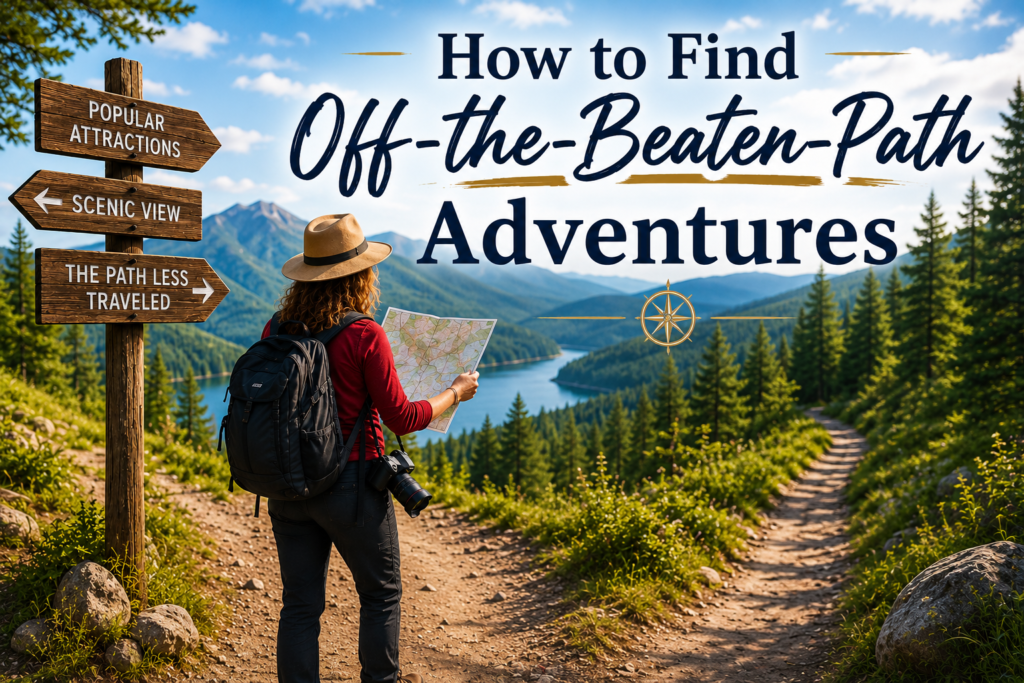
How Do You Find Off-the-Beaten-Path Places?
The easiest way is to combine local recommendations, map research, nearby small towns, slower exploration and enough flexibility in your itinerary to follow something interesting when you find it.
I love famous landmarks.
I am not going to travel all the way to a destination and deliberately skip the places I genuinely want to see just because they are popular.
But I also do not want every trip to look exactly like everyone else’s itinerary.
Some of my favorite discoveries have come from driving through a town I had not planned to visit, noticing a mural down a side street, talking to someone local or simply leaving enough open time to stop when something caught my attention.
My approach: “Off the beaten path” does not have to mean remote, difficult or secret. It can simply mean looking beyond the obvious attractions and giving yourself time to notice what is nearby.
A 5-Step Way to Find Hidden Gems Before and During a Trip
Start With the Major Attractions
Map the places you already know you want to see. Those become anchors for finding interesting neighborhoods, towns, parks, restaurants and photo stops nearby.
Zoom Out on the Map
Look beyond the exact attraction. I check the surrounding streets, nearby towns and roads between planned stops for anything that looks interesting.
Ask Someone Who Lives There
Hotel staff, shop owners, museum employees and restaurant servers often know places travelers would never think to search for.
Check More Than One Source
I compare Google Maps, tourism sites, TripAdvisor, road-trip blogs and niche resources such as Atlas Obscura rather than relying on one “top things to do” list.
Leave Blank Space in the Itinerary
If every hour is scheduled, you cannot follow the roadside sign, mural, antique mall or local recommendation you discover along the way.
Ask Locals What They Would Do
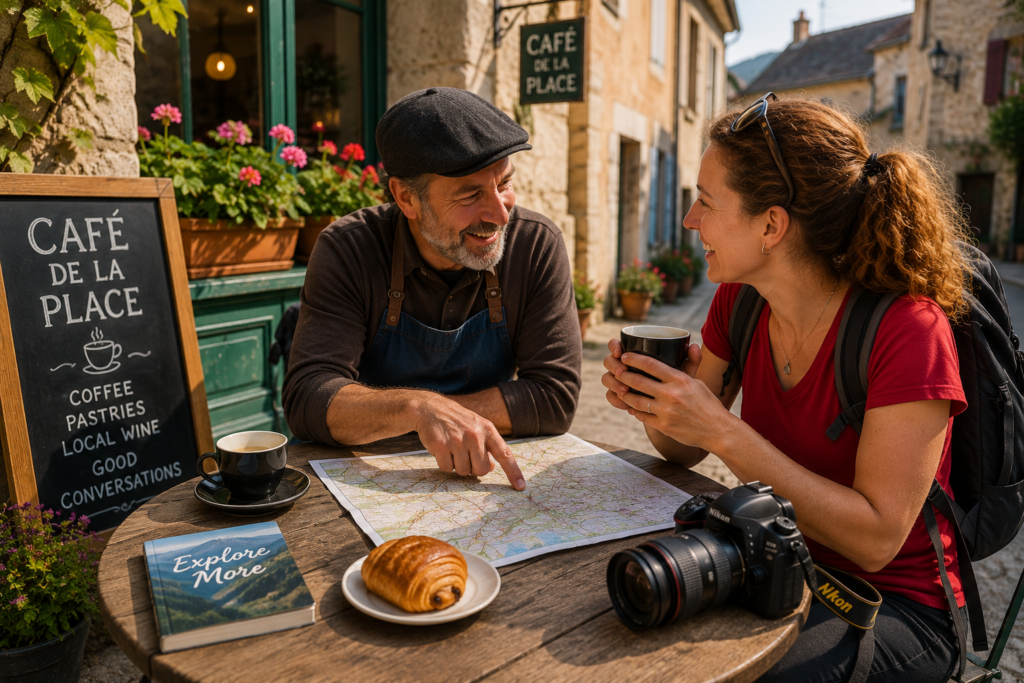
When I arrive somewhere new, one of the simplest things I do is ask people who live there what they recommend.
Not “What is the number-one tourist attraction?”
I am more interested in questions like:
Where would you take a friend who was visiting?
Where do you eat?
Is there anything nearby that travelers usually miss?
Those questions can lead to family-run restaurants, scenic overlooks, small museums, local events or neighborhoods that would never have appeared on my original itinerary.
Look at the Small Towns Around Your Main Destination
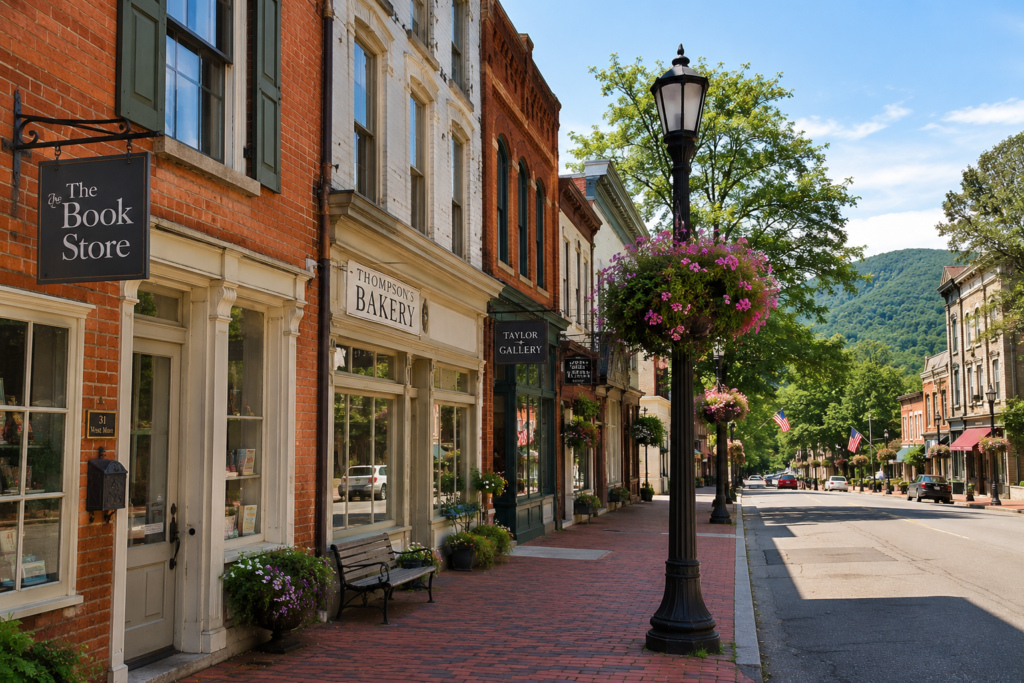
A town does not need to be famous to be worth an hour—or an entire afternoon.
I frequently find interesting stops by looking at what sits between two places already on my route.
Small downtowns often have independent shops, historic buildings, murals, local restaurants, antique stores and community museums.
They can also provide something popular destinations sometimes cannot: room to slow down.
Instead of searching only for “best things to do in [major city],” try searching the names of nearby communities individually.
Explore on Foot When You Can
Driving gets me to a destination.
Walking helps me notice it.
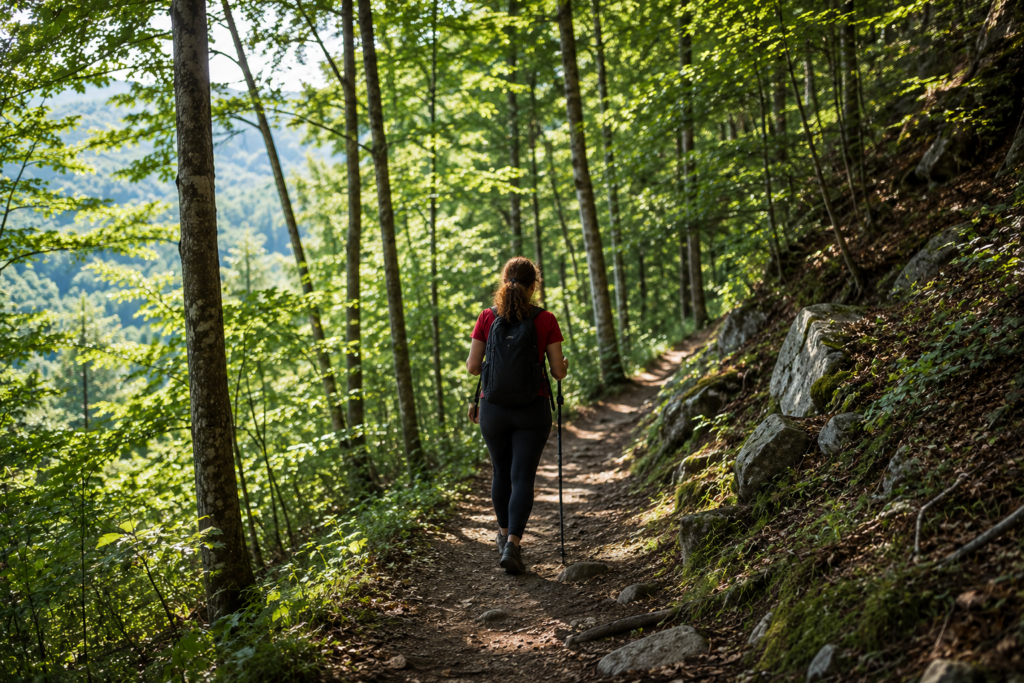
Trails, downtown streets, riverside paths and neighborhood walks reveal details that disappear at 40 miles per hour.
You notice public art, architecture, signs, gardens, independent businesses and viewpoints you might otherwise pass without seeing.
Nature works the same way.
A lesser-known trail or park can provide a completely different experience from the most photographed overlook in the region.
Important: Lesser-known should never mean ignoring trail closures, private-property boundaries or local safety guidance. A hidden gem is only worth visiting when you can access it legally and responsibly.
Use Maps as Discovery Tools, Not Just Navigation
I often find the next stop simply by zooming in and seeing what is nearby.
Google Maps is one of my most useful travel-research tools because it allows me to explore the area surrounding something I already plan to visit.
I look for museums, parks, murals, historic markers, resale shops, locally owned restaurants and unusual attractions.
I also compare what I find with travel blogs, official tourism websites, TripAdvisor and specialty resources.
The goal is not to collect every possible stop.
It is to notice options that fit the kind of travel experience I actually enjoy.
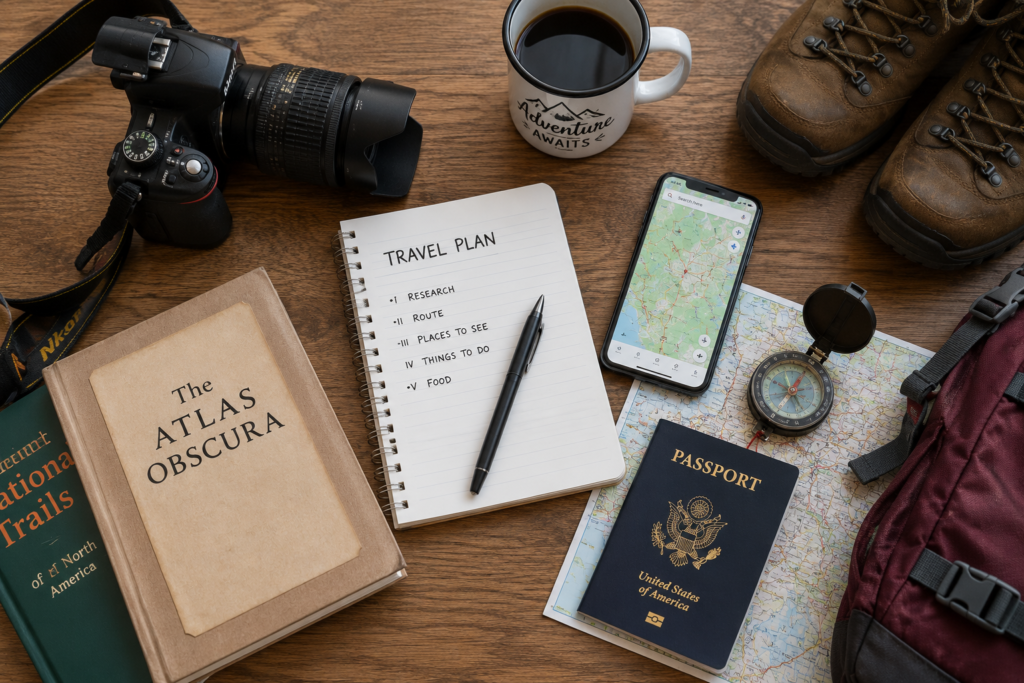
Build Enough Flexibility Into the Day to Stop
You cannot discover much by accident if the itinerary has no room for accidents.
I like having a plan.
I also like knowing which parts of that plan can move.
On road trips especially, I try not to schedule every stop so tightly that one interesting roadside discovery throws the entire day into chaos.
That flexibility is how unplanned attractions, murals, local restaurants and small-town stops become part of the trip rather than things you drive past.
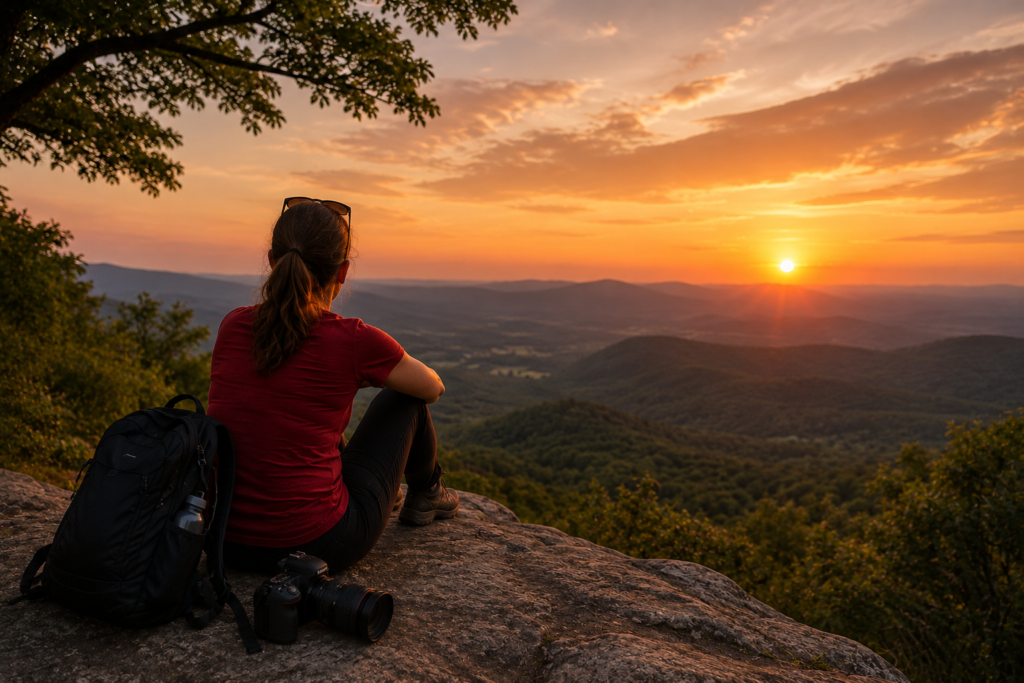
What Makes Me Pull Over or Change the Plan?
Murals and Public Art
A colorful wall down a side street can lead to an entire neighborhood or local art project worth exploring.
Independent Shops
Antique malls, thrift stores, bookstores and locally owned shops often tell you more about a community than national chains do.
Historic Signs and Buildings
Old theaters, train depots, courthouses, diners and roadside architecture are frequent photography stops for me.
Small Museums
Local museums can explain a destination in ways the larger regional attractions cannot.
Roadside Oddities
Oversized objects, unusual sculptures and quirky attractions are exactly the kind of stops that make road trips memorable.
Places Full of Local Cars
A busy locally owned restaurant away from the main tourist strip is usually worth investigating.
See What Off-the-Beaten-Path Travel Looks Like on My Trips
The best proof of this strategy is the places I have found by using it.
Start with my U.S. Weekend Getaways guide for small towns, roadside attractions, historic sites and short escapes I have explored firsthand.
Then read Road Trip Day 3: Why the Best Stops Were Never Part of the Plan for a real example of what can happen when an itinerary leaves room for discovery.
If public art is your kind of hidden gem, browse my Street Art Maps and Photo Spots.
The Best Discovery May Be One Turn Away
Finding off-the-beaten-path adventures is less about searching for a secret destination and more about becoming the kind of traveler who notices what everyone else drives past.
Plan the places you absolutely want to see.
Research what surrounds them.
Ask questions when you arrive.
And leave enough room in the day to follow something interesting when you find it.
About Angela
Angela Addington is the travel photographer and writer behind Lenses & Latitudes. She shares firsthand destination guidance and practical photography advice for independent and solo travelers, women over 50, road-trippers and weekend explorers. Learn more about Angela.
As much as I love exploring the must-see destinations, there’s something magical about veering off the beaten track and finding hidden gems. Whether it’s a secluded beach, a quiet mountain village, or a tucked-away café with the best view, stepping away from the tourist crowds offers a deeper connection to a place. Here are some of my favorite ways to discover more authentic, off-the-beaten-path experiences while traveling.
Embrace Local Recommendations
When I arrive in a new place, I always ask locals for their favorite spots. I’ve found that asking people who live there can uncover gems that don’t show up in guidebooks or Instagram posts. Whether it’s a family-run restaurant, a scenic overlook, or a cultural event happening that day, locals can point you to places that offer more than just a typical tourist experience. Even hotel staff can often steer you in the right direction.
Explore Smaller Towns and Villages
While big cities have their charm, I often prefer venturing out to smaller towns or villages. These places are often less crowded, and they hold rich local histories and traditions. I’ve found that these off-the-radar locations allow for more intimate experiences, like interacting with artisans, learning about regional customs, or just strolling through streets that haven’t been commercialized for tourists. A quick search for towns that are near major tourist hubs but less well-known can lead you to some hidden treasures.
Follow the Path Less Traveled—Literally
For me, getting off the beaten path often means hiking or biking my way through a destination. Trails that are lesser-known or more challenging to access tend to attract fewer visitors but reward you with breathtaking views, peaceful surroundings, and the feeling of having a place to yourself. Whether it’s a long hike up a mountain, a bike ride through a national park, or a walk along a coastal trail, stepping into nature always helps me experience a place more authentically.
Use Alternative Travel Resources
The internet has so many platforms for discovering new spots. I’m a big fan of using travel apps and websites that focus on local experiences, like Atlas Obscura or road trip blogs that share hidden destinations. Apps like Google Maps and TripAdvisor also allow you to zoom in on less-traveled areas. Sometimes, just searching for places a little outside of popular tourist centers can uncover a wealth of options.
Get Off the Tourist Circuit
This one’s simple: once you’ve seen the main attractions, skip the crowds and explore the surrounding areas. Take a detour on your way to the next destination, visit a nearby park, or discover a quiet museum or cultural institution.
Often, the true character of a place can be found in these quieter, lesser-known spots. Some of my favorite travel memories have come from taking the road less traveled and embracing the unexpected.
Traveling off the beaten path isn’t about skipping the iconic attractions—it’s about adding depth to your journey. By embracing local recommendations, exploring hidden towns, and venturing into nature, you’ll experience a destination in a more authentic and meaningful way.
The Best Adventures Aren’t Always on the Map
Finding off-the-beaten-path adventures doesn’t mean skipping the famous sights or traveling somewhere no one has ever heard of. Sometimes it simply means looking a little closer, wandering another block, following a local recommendation, or leaving enough room in your itinerary to be curious.
Some of my most memorable travel discoveries happened because I stopped focusing on checking off a list and started paying attention to what was around me.
So on your next trip, plan the places you absolutely want to see—but leave a little blank space on the itinerary, too.
You never know what might be waiting around the next corner.
Keep Exploring with Lenses & Latitudes
Ready to put these ideas into practice? Start with my U.S. Weekend Getaways: Road Trips and Short Escapes guide for destinations I’ve explored firsthand, including small towns, roadside attractions, wildlife experiences, historic sites, and places that are easy to overlook.
Want to see what happens when you actually leave room for spontaneity? Read Road Trip Day 3: Why the Best Stops Were Never Part of the Plan. Some of the most memorable stops from that day weren’t on my original itinerary at all.
And if murals, architecture, and unusual photography locations are your kind of hidden gems, explore my growing Street Art Maps and Photo Spots by Destination to find colorful places worth adding to your travels.
What is the best place you’ve ever discovered by accident? Share it in the comments—I’m always looking for another place to add to my travel list.

Pingback: Best Places to Hear Live Bluegrass Music in Lexington, KY - Lenses and Latitudes
Pingback: How to Ride San Francisco Cable Cars: First-Timer Tips - Lenses and Latitudes
Pingback: Why Every Road Tripper Needs an Emergency Kit - Lenses and Latitudes
Pingback: Lake Oconee Bistro Review: A Welcoming Local Favorite in Eatonton, Georgia