
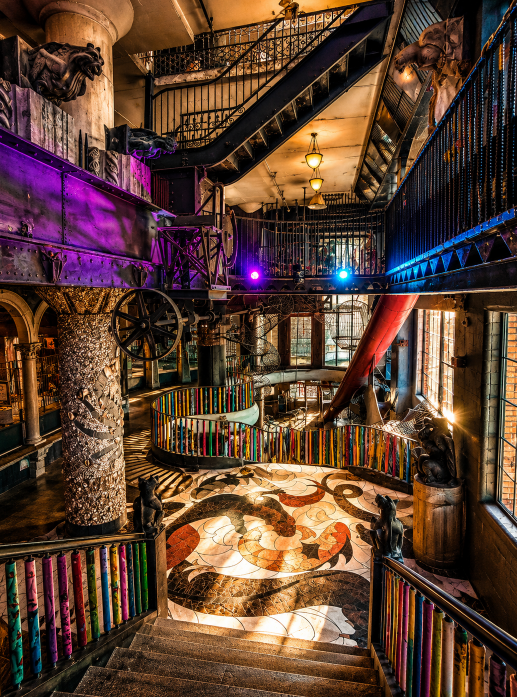
City Museum immediately felt less like a traditional museum and more like a giant environment designed for exploration.
City Museum St. Louis: The Place That Made Me Feel Like a Kid Again
Caves, tunnels, slides, hidden passageways, unusual architecture and immersive art turned City Museum into one of the most memorable attractions on our nine-day Midwest road trip.
Our visit: We explored for more than three hours, and I took nearly 200 photographs. I still left feeling like we could have stayed much longer.
Is City Museum St. Louis Worth Visiting?
Yes—especially if you enjoy immersive art, unusual architecture and attractions where exploring is part of the experience.
City Museum is part playground, part art installation, part architectural maze and unlike any traditional museum I have visited.
Visitors can explore caves, crawl through tunnels, discover hidden spaces, climb through unusual structures and wander through rooms where recycled and found materials have been transformed into art.
For me, it ranked among the top attractions of our entire Midwest road trip.
About This Visit
City Museum hosted our admission during our June 2026 Midwest road trip.
Hosted experiences never guarantee positive coverage. Everything in this article reflects my firsthand experience, photographs and observations during our visit.
City Museum ended up ranking among my favorite attractions from the entire nine-day trip.
City Museum at a Glance
These details combine my June 2026 experience with current visitor information published by City Museum.
City Museum operates on a changing calendar rather than one fixed daily schedule. Check the official hours calendar before visiting.
What Exactly Is City Museum?
If you’re expecting quiet galleries, display cases and signs asking you not to touch anything, City Museum will change that expectation quickly.
The best description I can give is that it combines immersive art, architecture, play and exploration inside one enormous creative environment.
Found materials become sculptures. Architectural elements become climbing structures. A hallway can turn into a tunnel, and a doorway may lead somewhere you never expected.
That unpredictability is a major part of the appeal.
I kept wanting to know what was around the next corner.
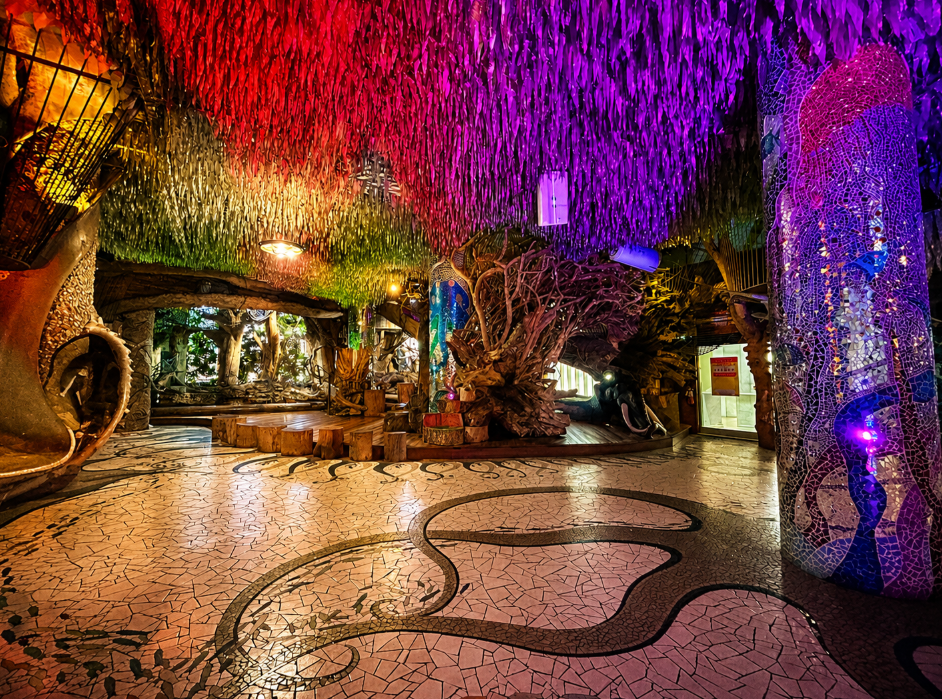
City Museum blends art, architecture and play into environments that invite visitors to explore rather than simply observe.
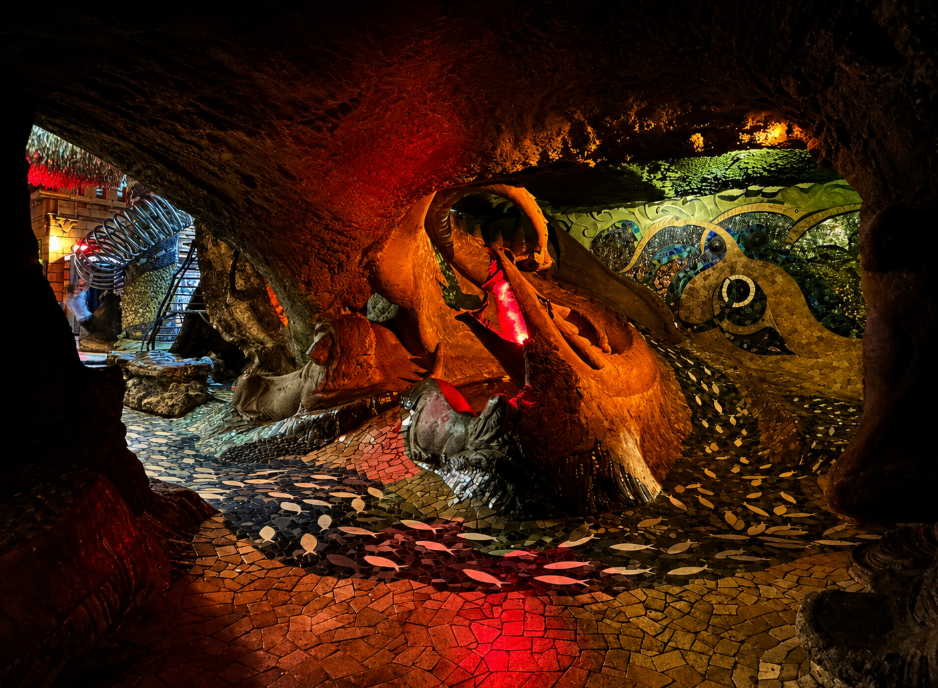
Lighting, texture and sculptural details gave me a new photograph every few steps.
Within Five Minutes, I Wanted to Explore Everything
Before our visit, I had heard City Museum described as an interactive playground for children and adults.
That description wasn’t wrong, but it didn’t prepare me for the scale.
My first reaction was simple: this place is huge.
The second was that I wanted to explore as much of it as possible.
As a photographer, I immediately began noticing compositions everywhere—spiral shapes, unusual lighting, sculptural textures and layers of architecture that changed depending on where I stood.
The Caves Completely Captured My Imagination
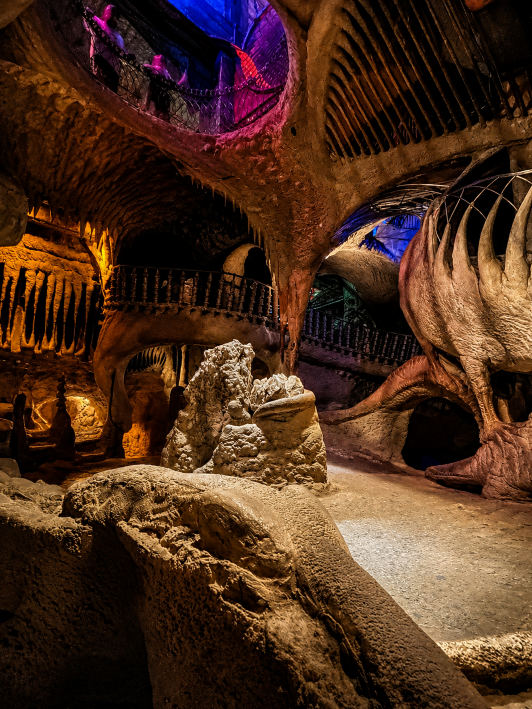
The cave system was my favorite part of City Museum.
If I had to choose one area that best captured the feeling of City Museum, it would be the caves.
Dark passageways twist between levels, tunnels disappear around corners and openings lead into spaces that can be difficult to predict from where you begin.
More than once, Craig and I found ourselves laughing because we weren’t entirely sure where we had ended up.
Instead of feeling frustrating, that sense of discovery made the experience more fun.
The caves felt surprisingly immersive rather than like a simple themed attraction built inside a museum.
Why I Suddenly Understood the Knee Pads
While exploring, we noticed experienced visitors wearing knee pads and carrying headlamps.
At first I wondered whether that was really necessary.
After spending time crawling through some of the tighter passages, the answer became much clearer.
Visitors do not have to crawl through every tunnel or choose the most physically demanding routes, but anyone planning to fully embrace that part of the experience may appreciate a little extra protection.
Travel tip: Wear comfortable clothes and closed-toe shoes. If crawling is high on your City Museum priority list, reserving or bringing knee pads can make the experience more comfortable.
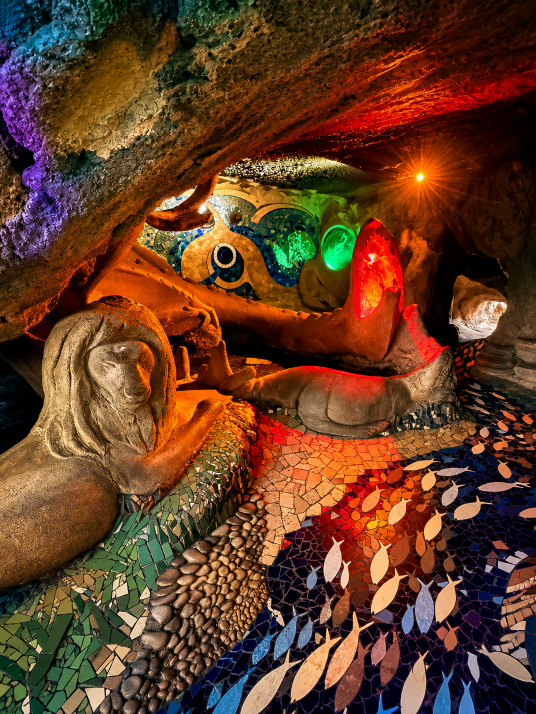
Visitors can choose how adventurous they want to be, but some cave routes involve tight passages and crawling.
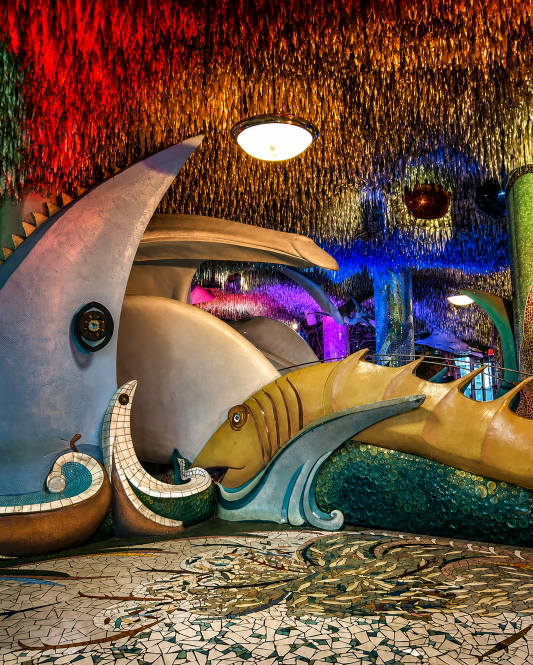
A flowing overhead installation created the illusion of being beneath the ocean.
Some of the Best Details Were Hidden Above Us
One of my favorite discoveries inside the cave areas was an overhead installation that created the illusion of moving water.
The suspended material seemed to flow above us, almost as though we were standing beneath the ocean.
It was the kind of artistic detail I could easily have missed by concentrating only on where I was walking.
That became another lesson at City Museum: look up, look down and look behind you.
Interesting details are everywhere.
Every Corner Seemed to Reveal Something New
Every time I thought I had found my favorite area, we turned another corner and discovered something completely different.
Scrap material became sculpture. Sculpture blended into architecture. Architectural elements transformed into places visitors could climb, crawl through or explore.
That pattern repeated for more than three hours.
City Museum doesn’t reveal itself all at once, which is exactly why rushing through it would be a mistake.
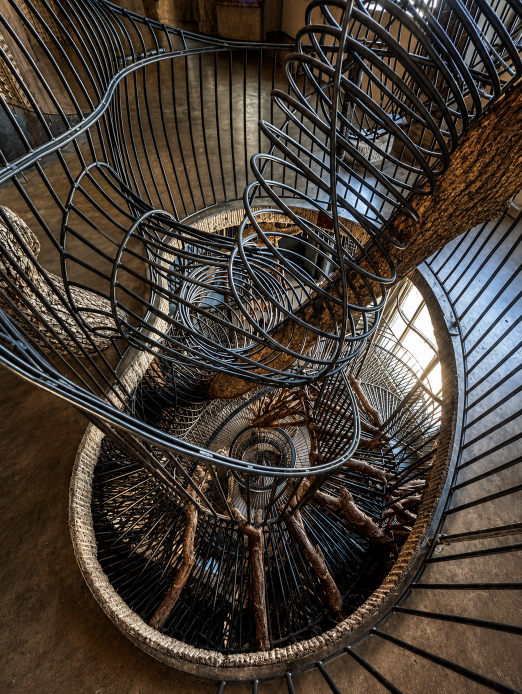
The layered architecture created striking views from different floors and angles.
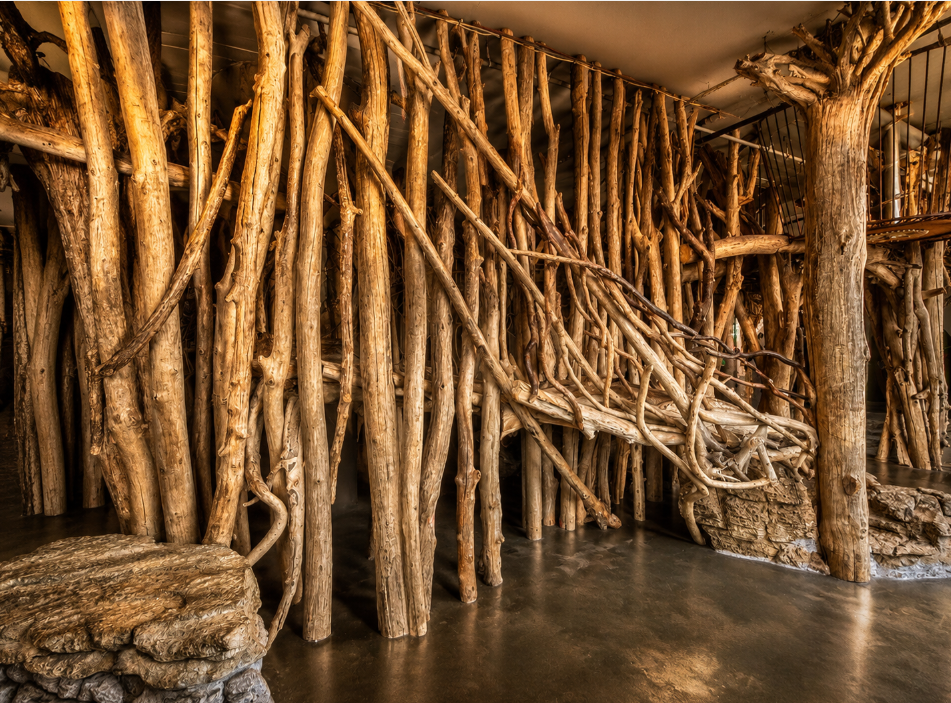
Entire environments shift in style as you move through the museum.
No Two Areas Felt Exactly the Same
One section could feel organic and cave-like while another resembled a fantasy forest or industrial sculpture.
That variety kept the experience from becoming repetitive.
It also gave me a constantly changing photography challenge because the light, scale and texture varied dramatically from room to room.
The Museum Doesn’t Ask Everything to Make Sense
Part of City Museum’s appeal is that not every space needs a conventional explanation.
Some rooms seem playful. Others feel surreal, theatrical or almost otherworldly.
That creative freedom made the museum feel less like a sequence of exhibits and more like an environment visitors could interpret for themselves.
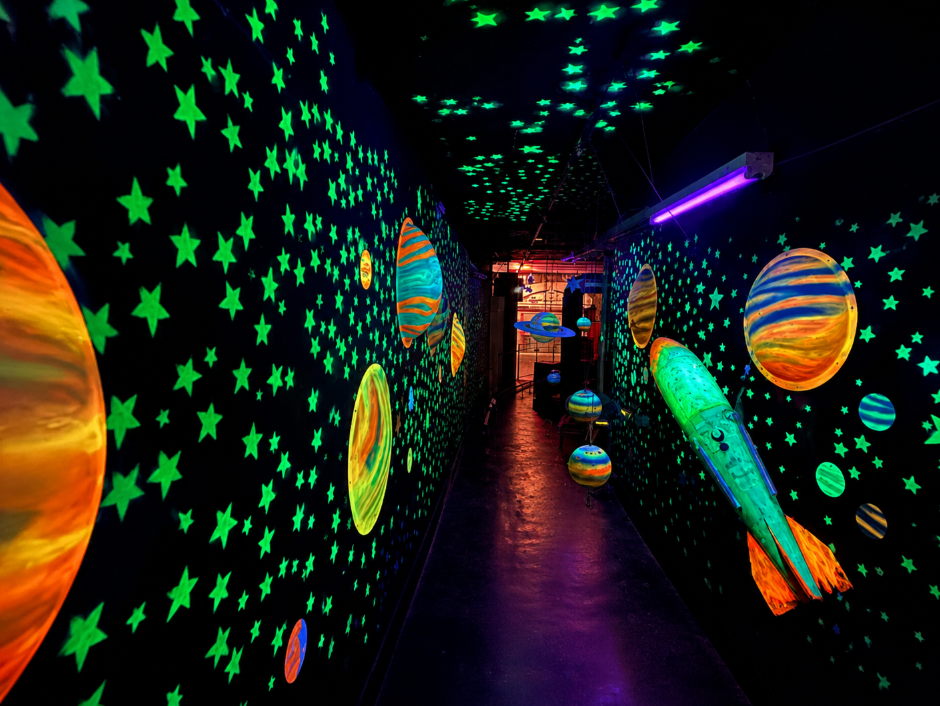
Surreal spaces added another layer to an attraction that consistently resisted easy description.
The Rooftop Is an Attraction of Its Own
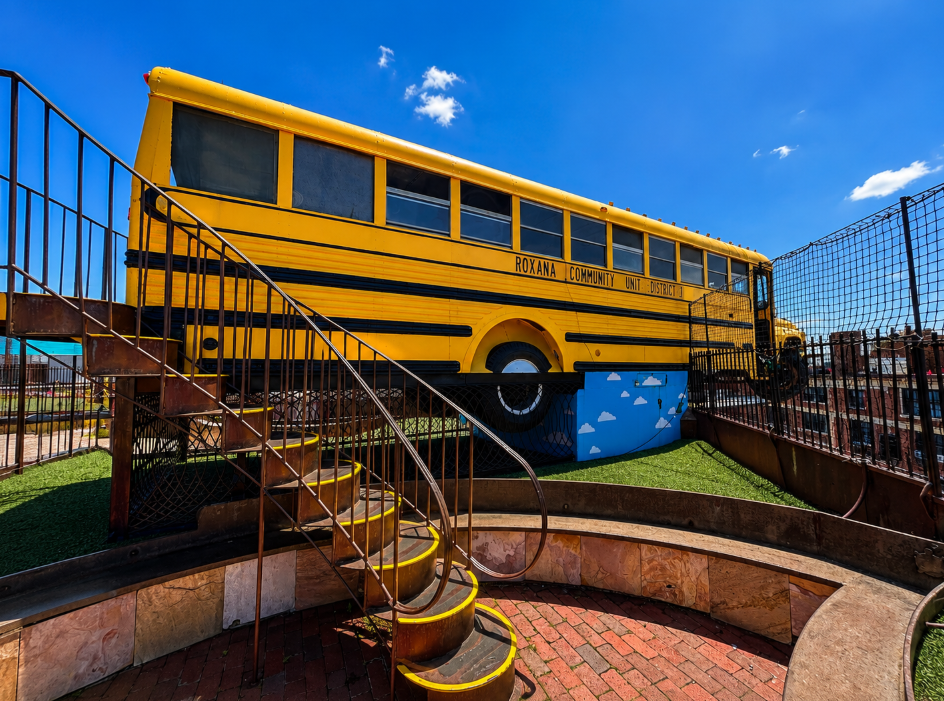
The rooftop continues City Museum’s tradition of putting familiar objects in completely unexpected places.
Just when we thought we had explored enough indoors, we headed to the rooftop.
Heights are not my favorite thing, but even I had to admit the rooftop was worth seeing.
The outdoor spaces continue the museum’s playful approach with unusual structures and attractions high above downtown St. Louis.
Rooftop access is weather dependent, and City Museum currently lists it as an add-on for standard daily admission unless it is included with a qualifying pass.
A Ferris Wheel on a Rooftop
Craig especially enjoyed the rooftop Ferris wheel.
There aren’t many places where riding a Ferris wheel on top of a museum feels completely logical, but City Museum somehow makes it work.
The rooftop added another level of discovery to a place that already felt difficult to fully absorb in one visit.
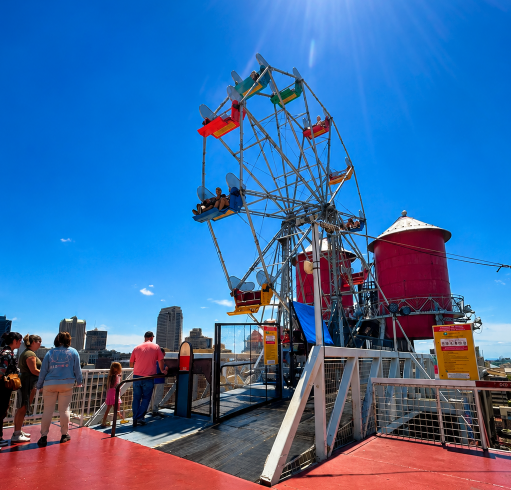
Craig loved the rooftop Ferris wheel; I was happier photographing it from solid ground.
Adults Were Having Just as Much Fun
One of my favorite observations during our visit wasn’t an installation at all. It was watching how people of different ages experienced the space.
Kids Can Burn Off Energy
Climbing, crawling, sliding and exploring make City Museum an obvious fit for children who enjoy active attractions.
You Don’t Have to Stand on the Sidelines
Parents, couples and other adults were actively exploring rather than simply watching younger visitors have all the fun.
You Can Explore at Your Own Pace
I spent much of our visit stopping for photographs while Craig explored more of the physical elements that interested him.
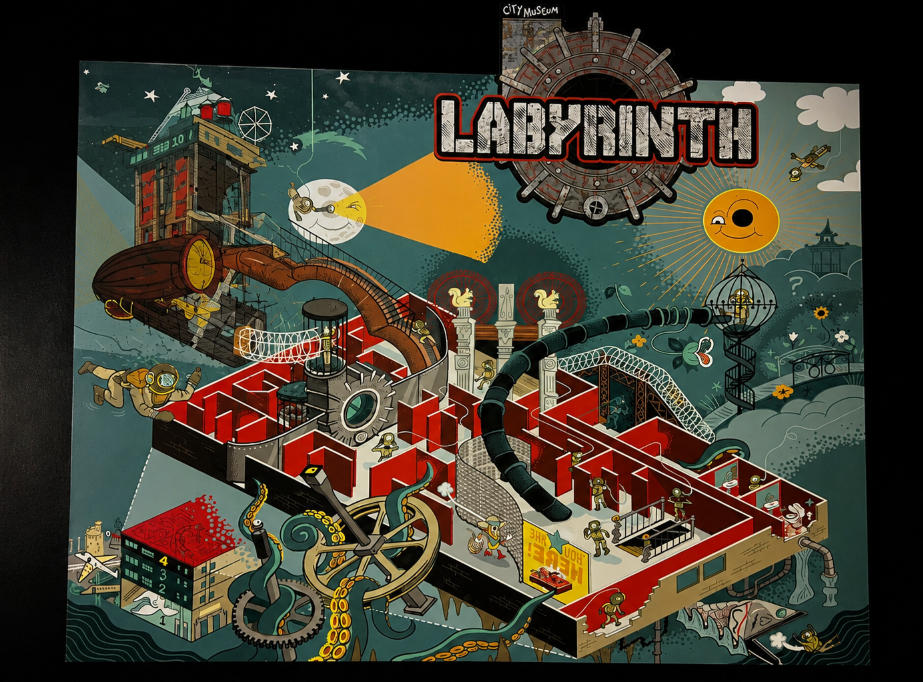
Getting a little turned around is almost part of the City Museum experience.
You Don’t Have to Experience Everything the Same Way
One of the smartest ways to approach City Museum is to accept that you may not see every corner.
Visitors who love climbing may spend more time in tunnels and physical structures. Photographers may move more slowly through visually rich rooms. Families may build their visit around whatever keeps everyone engaged.
Trying to check every attraction off a list would have taken away some of the spontaneity for me.
Following whatever looked interesting worked much better.
Why I Took Nearly 200 Photographs
City Museum is one of those attractions where the visual story constantly changes.
Dark caves required a completely different approach from bright rooftop spaces. Spiral staircases created strong leading lines, while found-object sculptures rewarded close-up detail shots.
Color, texture, reflections and dramatic lighting appeared everywhere.
I took nearly 200 photographs and still felt as though I had barely scratched the surface.
For photographers, the biggest challenge may be remembering to stop photographing long enough to actually explore.
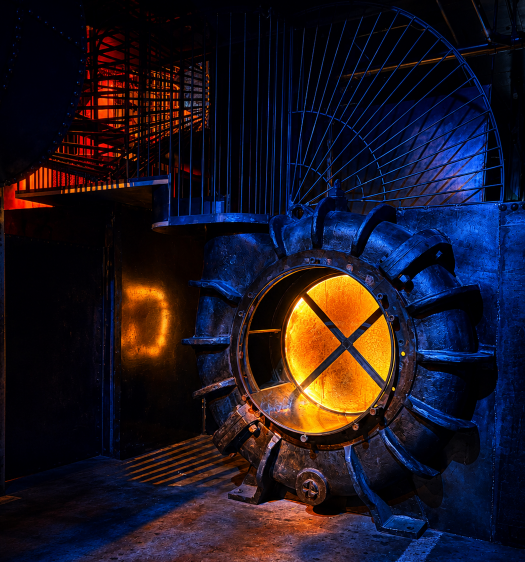
City Museum rewards both wide architectural compositions and small detail photographs.
City Museum Is More Physical Than a Traditional Museum
Wear Comfortable Shoes
There is a lot of walking, and many visitors choose to climb, crawl or use stairs throughout the attraction.
Dress for Exploration
Wear clothing that lets you move comfortably if you plan to use tunnels, slides or tighter passageways.
Consider Knee Pads
City Museum currently allows visitors to reserve knee pads when purchasing tickets. After seeing experienced visitors wearing them, I understood why.
You Choose Your Adventure Level
You do not have to crawl through narrow spaces to enjoy City Museum. Many areas can be explored without choosing the most physically demanding routes.
Allow at Least 3–4 Hours
We spent more than three hours and could easily have stayed longer. Travelers who love interactive attractions could spend most of a day here.
Don’t Rush
Many of the best discoveries are tucked into unusual corners, overhead installations and unexpected passageways.
Planning a City Museum Visit
City Museum’s hours, ticket options and rooftop access can vary by date, so I recommend checking the official site rather than relying on a fixed schedule.
Address
City Museum is located at 750 North 16th Street in St. Louis, Missouri.
2026 Admission
City Museum currently lists 2026 daily tickets starting at $20 when purchased online. Prices and fees can change, so verify the current rate before visiting.
Hours Vary
City Museum publishes a date-specific calendar rather than one universal closing time. Some days close earlier, while Fridays and Saturdays may operate later.
Rooftop Access
The Rooftop is weather dependent and is currently offered as an add-on for general admission unless included with a qualifying membership or pass.
Parking
City Museum operates a main parking lot on the west side of the building beneath MonstroCity. Parking options and advance reservations can be reviewed while purchasing tickets.
Check Before You Leave
Review current operating hours, weather-related rooftop status and ticket options on the official City Museum website.
Would I Visit City Museum Again?
Without hesitation.
City Museum ranked among my top five attractions from the entire nine-day Midwest road trip.
Part of that is because it is so difficult to compare with anything else.
It’s not simply a museum, playground or art installation. It borrows from all three while creating something with its own personality.
A return visit would almost certainly reveal things I missed the first time.
If I were helping a first-time visitor prioritize only a few St. Louis attractions, City Museum would be near the top of my list alongside the Gateway Arch.
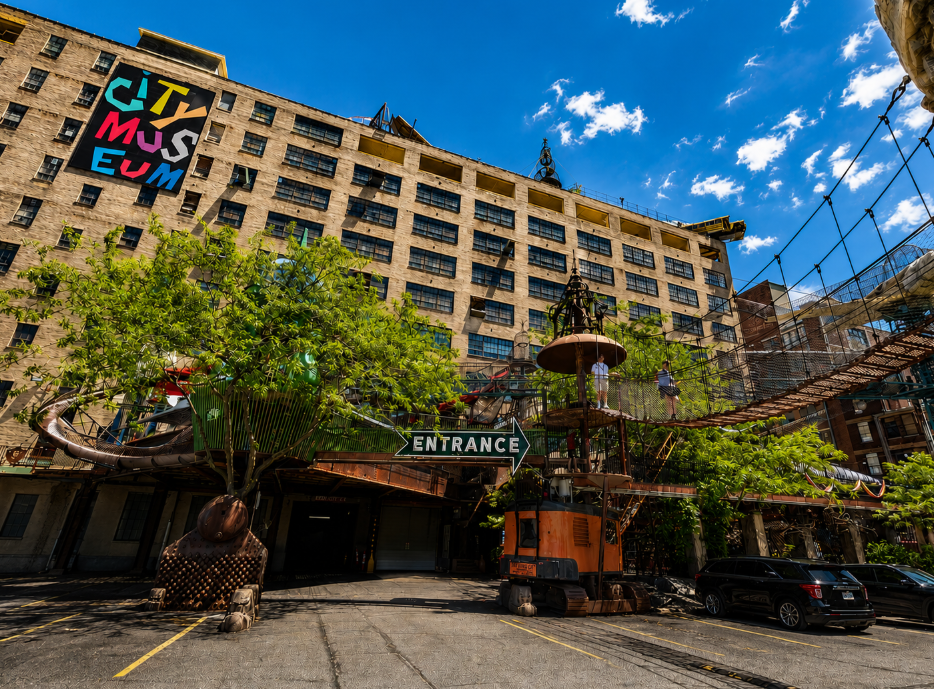
City Museum became one of the attractions I would most readily recommend from our St. Louis visit.
Frequently Asked Questions
How long should you spend at City Museum St. Louis?
I recommend at least three to four hours for a first visit. We spent more than three hours and still felt there was much more we could have explored.
Is City Museum only for children?
No. Adults were climbing, crawling, exploring and photographing the museum alongside children during our visit. Adults can have just as much fun as younger visitors.
Do you need knee pads at City Museum?
No, but they can make crawling through tunnels and tighter spaces more comfortable. City Museum currently offers knee-pad reservations as part of its ticket-planning options.
Is City Museum physically demanding?
It can be, depending on how you choose to explore. Visitors can climb, crawl, use stairs and navigate enclosed passages, but you do not have to participate in every physical element to enjoy the museum.
Is the City Museum rooftop always open?
No. Rooftop access is weather dependent and may close because of rain, high winds, extreme temperatures or other conditions.
Is City Museum good for photography?
Yes. It was one of the most visually interesting attractions of our Midwest road trip. I took nearly 200 photographs of architecture, caves, sculptures, lighting and small details.
Build City Museum Into a Larger St. Louis Trip
City Museum was one of several memorable stops during the St. Louis portion of our Midwest road trip.
Where We Stayed
See the British-inspired hotel and James Bond Suite that became our St. Louis home base.
Ride the Gateway Arch Tram
Continue with one of St. Louis’s defining landmarks and what I learned from riding to the top.
See the Full Midwest Trip
Follow the complete nine-day road trip through eight states, from Route 66 and St. Louis to Wichita, Oklahoma City and Little Rock.
About Angela
Angela Addington is the travel photographer and writer behind Lenses & Latitudes. She shares firsthand destination guidance and practical photography advice for independent and solo travelers, women over 50, road-trippers and weekend explorers. Learn more about Angela.

Pingback: Road Trip Day 3: Why the Best Stops Were Never Part of the Plan - Lenses and Latitudes
Pingback: Riding the Gateway Arch Tram: Visitor Guide - Lenses and Latitudes