
Ueno Zoo in 1995: My First International Trip to Tokyo
My first trip outside the United States took me all the way to Tokyo. Decades later, three photographs from Ueno reveal how much both the destination—and the traveler behind the camera—have changed.
Why Does Ueno Zoo Matter So Much to Me?
Because Ueno Zoo was part of the first international trip that showed me just how much larger the world was than the places I already knew.
In 1995, I traveled to Tokyo on my first-ever international trip.
The language was different. The architecture was different. The food was different. Even the feeling of simply standing in another country was new.
Among the places I visited was Ueno Zoo.
At the time, I was not thinking about creating a historical record.
I was taking vacation photographs.
Three decades later, those images have become some of the most interesting photographs from the entire trip.
Historical perspective: This article is based on my 1995 visit and original photographs. Current visitor information is included separately so the old memories are not confused with the zoo experience today.
Ueno Zoo Across More Than 30 Years
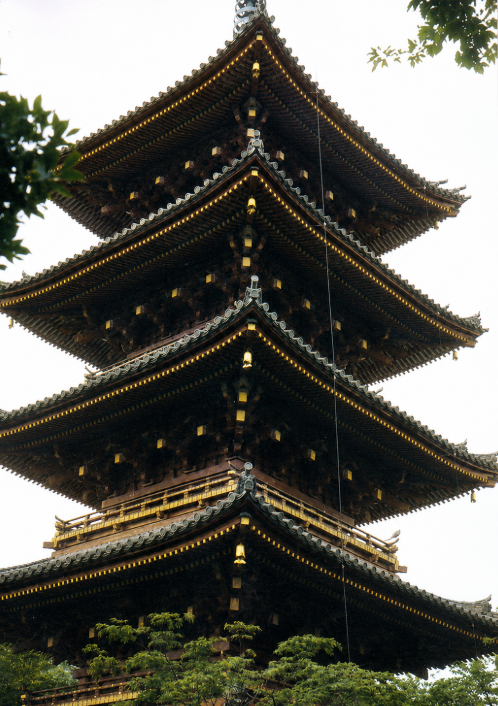
The Photograph I Did Not Understand Yet
In 1995, I saw a beautiful pagoda. Today I understand I was photographing a structure that had already stood for centuries.
The Former Kan’ei-ji Temple Five-Storied Pagoda dates to 1639.
The structure visible today replaced an earlier pagoda destroyed by fire and is now designated an Important Cultural Property of Japan.
When I made the photograph, it was already more than 350 years old.
I had no idea.
That is one of the fascinating things about returning to old travel photographs. A subject that caught your attention simply because it was beautiful can reveal layers of history you did not yet know how to see.
A Photograph From a Chapter That Has Now Ended
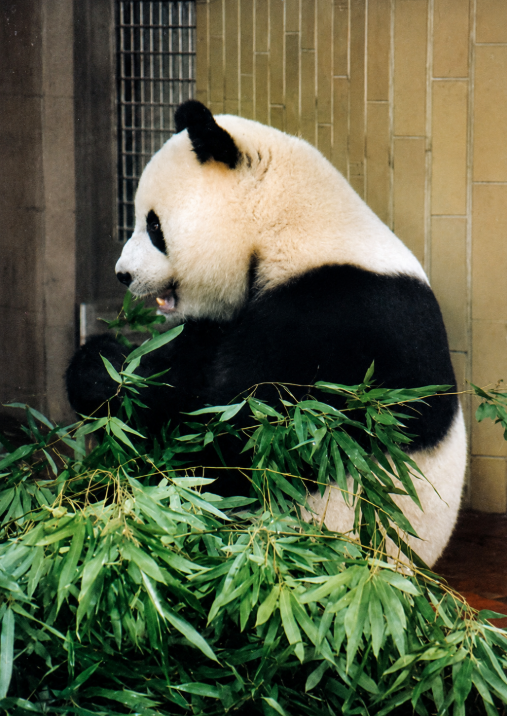
My panda photograph once felt like a classic zoo snapshot. Today it represents part of a decades-long Ueno Zoo tradition that changed dramatically in 2026.
Giant pandas had already been associated with Ueno Zoo for decades when I visited.
Japan’s first giant pandas, Kang Kang and Lan Lan, arrived at Ueno in 1972 and quickly became one of the zoo’s most recognizable attractions.
By 1995, the male panda Ling Ling was living at Ueno Zoo.
It is possible that he is the panda in my photograph, but I do not have enough documentation to identify the animal definitively—and I would rather leave the photograph honestly unidentified than guess.
In January 2026, Xiao Xiao and Lei Lei left Ueno Zoo for China, leaving the zoo without giant pandas.
That makes my old photograph feel very different today.
Not Everything From 1995 Disappeared
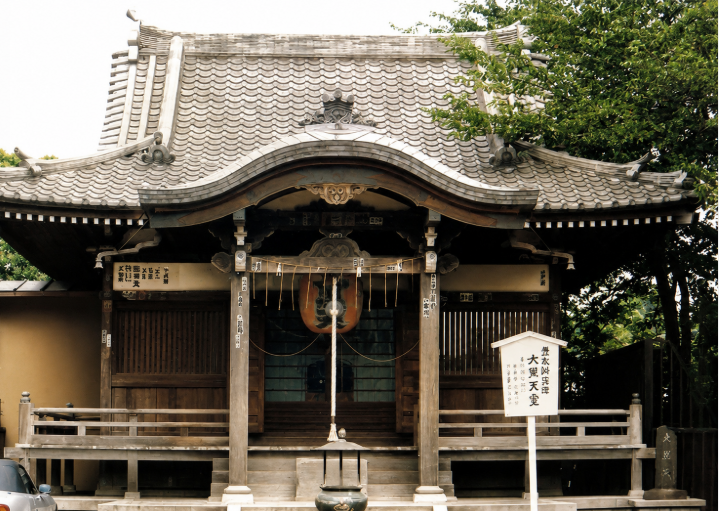
The contrast between what changed and what remains is what makes these photographs so interesting to me now.
The pandas are gone.
The monorail no longer operates.
Animal habitats and visitor facilities have continued to evolve.
But the five-storied pagoda remains.
Nearby Shinobazu Pond and Bentendō remain part of the Ueno landscape.
Those pieces of continuity give me something tangible to search for if I return.
What Should Visitors Know About Ueno Zoo Now?
Ueno Zoo is still one of Tokyo’s major zoological attractions and remains closely connected with the history and landscape of Ueno Park.
The Same Place, a Different Photographer
Architecture
I would pay far more attention to the pagoda’s construction, details and relationship to the surrounding historical landscape.
Context
Instead of photographing only individual subjects, I would look for frames that show how historic structures, park space and the modern city interact.
Then-and-Now Views
I would bring the 1995 photographs with me and deliberately search for the viewpoints where I originally stood.
Why Japan Still Matters to My Travel Story
Japan was my first international trip.
I could not have known in 1995 how much travel and photography would eventually become part of my life.
But somewhere among photographs of Tokyo streets, temples, pandas and markets was the beginning of something.
Another photograph from that trip became my Tsukiji Fish Market in 1995 story.
For more stories about revisiting old photographs, read Alcatraz Then and Now.
And if you want to become more deliberate about the photographs you make today, visit my Travel Photography Tips.
Ueno Zoo Then and Now FAQ
When did you visit Ueno Zoo?
I visited in 1995 during my first international trip to Tokyo, Japan.
Is the five-storied pagoda at Ueno Zoo still there?
Yes. The former Kan’ei-ji Five-Storied Pagoda still stands and is recognized as an Important Cultural Property of Japan.
Does Ueno Zoo still have giant pandas?
No. Xiao Xiao and Lei Lei left Ueno Zoo for China in January 2026, and the zoo currently does not house giant pandas.
Is the Ueno Zoo Monorail still operating?
No. Regular service ended in 2019 and the monorail was later formally discontinued.
Would you return to Ueno Zoo?
Yes. I would especially like to bring my 1995 photographs and try to find the same viewpoints again.
The Photographs Mean More Now Than They Did in 1995
I went to Japan thinking I was simply taking my first international vacation. Looking back, I can see that I was beginning a much longer travel story.
If I return to Ueno, I will bring these photographs with me.
I will find the pagoda.
I will look for the places that still feel familiar.
And I will take the photographs again—not to recreate the past, but to see how far both the place and the photographer have traveled since then.
About Angela
Angela Addington is the travel photographer and writer behind Lenses & Latitudes. She shares firsthand destination guidance and practical photography advice for independent and solo travelers, women over 50, road-trippers and weekend explorers. Learn more about Angela.

Pingback: Alcatraz Then and Now: My View 42 Years Later - Lenses and Latitudes
Pingback: Inside Tsukiji Fish Market Before It Closed
Pingback: Take the Picture—Even If No One Else Understands Why -