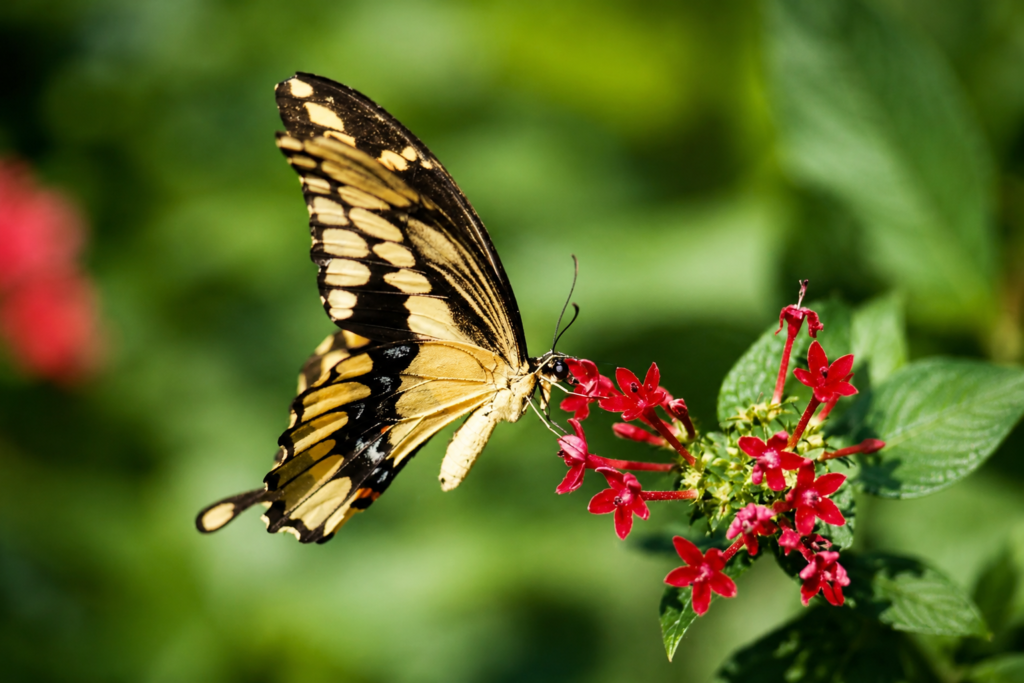
Patience, a clean background and careful focus can make a bigger difference than expensive equipment.
How to Photograph Butterflies: 10 Easy Tips for Beginners
Butterflies are beautiful subjects, but their constant movement can make them challenging for a beginning photographer.
My approach: wait for the butterfly to land, move slowly, focus carefully, take several frames and learn where it likes to return instead of chasing it around the garden.
What Is the Easiest Way to Photograph Butterflies?
The easiest approach for a beginner is to wait until a butterfly lands on a flower rather than trying to photograph it in flight.
Learning how to photograph butterflies takes patience, observation and a willingness to wait for the right moment.
Their delicate wings, detailed patterns and unpredictable movements make them rewarding subjects, but they can also be challenging for beginners.
Instead of chasing butterflies around a garden, find a cluster of flowers they frequently visit and remain nearby.
Ask a garden employee, volunteer or another knowledgeable person which flowers are currently attracting the most activity. Butterflies often return to the same area after flying away.
Patience is often more useful than expensive equipment. Move slowly, avoid sudden motions and give the butterfly enough space to behave naturally.
How I Photograph Butterflies
I photograph butterflies in gardens wherever I find them.
Many of my photographs have been taken at a butterfly house in Frankfort, Kentucky, and an arboretum in Cincinnati.
I typically use a Nikon D7500 with a Tamron 80–200mm lens, but I also capture plenty of butterfly photographs with my iPhone.
Morning and early evening are my favorite times to photograph butterflies, and I have also had good results on cooler, overcast days.
Whatever camera I am carrying, my first goal is the same: observe the butterfly before trying to make the photograph.
Butterfly Photography at a Glance
How to Photograph Butterflies Successfully
Butterfly photography gets easier when you stop thinking about it as a race to catch a moving subject and start watching how the butterfly behaves.
Wait Until the Butterfly Lands
Photographing a butterfly in flight requires faster focusing and precise timing. Beginners will have much more success starting with butterflies that have briefly stopped moving.
Watch Where Butterflies Keep Returning
Pay attention to the flowers receiving the most activity. Butterflies frequently return to productive feeding areas, allowing you to prepare your composition before they arrive.
Move Slowly and Give Them Space
Avoid sudden movements. Approach gradually, stop before entering the butterfly’s personal space and let your zoom lens do more of the work.
Look for Softer Natural Light
Morning and early evening can reveal wing patterns and flower details without the harsh highlights and deep shadows of strong midday sun.
Focus on the Nearest Eye
A sharply focused eye gives the photograph a strong focal point even when parts of the wings or flowers fall outside the depth of field.
Use a Fast Enough Shutter Speed
Butterflies move even when they appear to be resting. Moving wings, swaying flowers and small camera movements can all introduce blur.
Keep the Background Simple
Change your angle slightly when stems, flowers, bright spots or signs compete with the butterfly. A cleaner background keeps attention on the subject.
Take Several Frames
A short burst of photographs gives you several wing positions and increases the chance that one frame will have a sharply focused eye and pleasing pose.
Use the Camera You Already Have
A telephoto lens is useful, but an iPhone can also create beautiful butterfly photographs when the subject lands close enough.
Respect the Butterfly and Its Habitat
The photograph is never more important than the butterfly. Do not touch it, force it to move or damage plants to improve a composition.
What Camera and Lens Do You Need?
You do not need a dedicated macro lens or the newest camera to photograph butterflies.
I typically use a Nikon D7500 with a Tamron 80–200mm lens.
The longer focal length lets me fill more of the frame while maintaining enough distance to avoid disturbing the butterfly.
A telephoto zoom lens is especially useful in gardens because it allows you to adjust your composition without repeatedly moving closer.
A macro lens can capture extremely fine details, but it is not essential for beginners.
Smartphone option: An iPhone can also produce beautiful butterfly photographs when the subject lands nearby. If your phone has an optical telephoto option, use it instead of relying heavily on digital zoom.
What Camera Settings Work for Butterfly Photography?
Butterflies move quickly, even when they appear to be resting. A faster shutter speed helps reduce motion blur from moving wings, swaying flowers and small camera movements.
For a simple beginner setup, try Shutter Priority mode with Auto ISO and adjust your shutter speed according to how much the butterfly is moving.
Remember: These numbers are starting points, not rigid rules. Adjust for available light, the butterfly’s speed and whether the flower is moving in the wind.
Focus and Aperture Settings
When the butterfly is resting, place your focus point directly on its nearest eye.
If you are comfortable using Manual mode with Auto ISO, try an aperture around f/5.6 to f/8 when you want more of the wings in focus.
In lower light, opening the aperture to f/4 or f/5.6 can help maintain a sufficiently fast shutter speed.
When the butterfly is moving, AF-C continuous autofocus and an appropriate dynamic-area focus mode can help the camera continue tracking the subject.
Continuous-high burst mode provides several frames from each moment, increasing the likelihood that one will have sharp eyes and a good wing position.
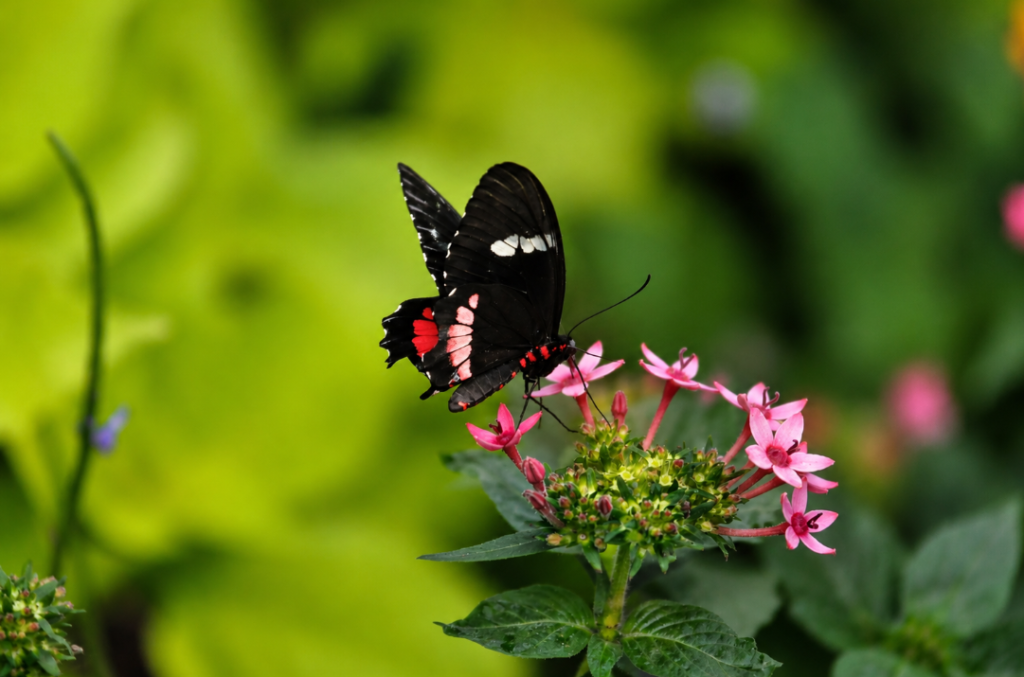
After several minutes of waiting quietly, this butterfly landed on a cluster of pink flowers and remained long enough for me to find a clean angle and focus carefully.
Get Close Without Scaring the Butterfly Away
Approach slowly and stop before you reach the butterfly’s personal space.
Use your zoom lens instead of continuing to move closer.
Do not chase a butterfly from flower to flower or deliberately force it to move for a different photograph.
One of the best approaches is to sit or stand quietly in one place and watch.
Allow the butterfly to become comfortable with your presence while you learn which flowers it prefers.
Also watch your shadow. Suddenly casting a shadow across the butterfly may cause it to fly away.
How Should You Compose a Butterfly Photograph?
Focus on the Eye
Begin with the nearest eye. A sharp eye gives the viewer a clear focal point even when other parts of the photograph are softer.
Get Near Eye Level
When possible, photograph at the butterfly’s level instead of automatically aiming down from above.
Work Parallel to the Wings
Positioning the camera more parallel to the butterfly’s wings can help keep more of the wing pattern within the plane of focus.
Leave Room for Movement
Use the rule of thirds when it strengthens the frame and leave space in front of the butterfly or in the direction it appears ready to fly.
Check the Background
Before pressing the shutter, look for distracting stems, bright spots or cluttered flowers competing with your subject.
Make More Than One Composition
Try a detailed close view, a wider environmental photograph and both horizontal and vertical versions when the butterfly stays in place long enough.
What Is the Best Time of Day to Photograph Butterflies?
Morning and early evening are my favorite times because softer light can reveal wing patterns and flower details without the harsh contrast of strong midday sun.
I have also enjoyed photographing butterflies on cooler, overcast days.
Cloud cover acts like a large diffuser, creating more even light and reducing extreme highlights and shadows.
Butterflies may also pause longer in cooler conditions, although you may need to increase your ISO to maintain a fast shutter speed.
If you must photograph in bright midday light, change your position until the butterfly is more evenly illuminated or work in open shade when possible.
Check pale wings and bright flowers for lost detail and reduce the exposure slightly if those areas appear too bright.
Can You Take Good Butterfly Photos With an iPhone?
Yes. An iPhone works especially well when a butterfly lands close to a pathway or stays on a flower long enough for you to compose the photograph.
Clean the camera lens before you begin, then tap the butterfly’s eye or head on the screen to set focus.
Use Burst mode when available to capture several frames in quick succession, and keep Live Photos turned on so you have additional moments to review afterward.
Brace your elbows against your body to help steady the phone.
If your iPhone has an optical telephoto option, use it to photograph from farther away. Avoid excessive digital zoom because it can reduce detail.
Some phones also provide a macro mode for very close subjects, but do not move so close that you disturb the butterfly.
Pay close attention to the background and edges of the screen. A small change in position can separate the butterfly from distracting stems, signs or other flowers.
How Do You Photograph Butterflies in Flight?
Photographing butterflies in flight is much harder than photographing them after they land, so beginners should first practice focusing on resting butterflies.
When you are ready to try, start with a fast shutter speed around 1/2500 to 1/3200 second, continuous autofocus and continuous-high burst mode.
Increase ISO as needed to maintain the shutter speed.
Zoom out slightly instead of filling the entire frame so you have more room to follow the butterfly’s unpredictable movement.
Watch which flowers butterflies visit repeatedly and position yourself near that area.
Begin tracking before pressing the shutter, move the camera smoothly with the butterfly and continue following through the motion.
Expect missed frames. Successful in-flight butterfly photography depends on repetition, timing and learning to anticipate where the butterfly is likely to move next.
How Can You Identify a Butterfly From a Photo?
Google Lens can provide a useful starting point for identification.
After saving the photograph to Google Photos, open the image and select Lens to see suggested matches and related information.
Identification tools work best when the photograph clearly shows the butterfly’s wing colors, patterns and overall shape.
Crop the image when necessary so the butterfly is prominent, but retain enough detail for comparison.
Treat automated identification as a possibility rather than a guarantee. Similar species can be difficult to distinguish from one photograph, so compare the result with a regional field guide or another reliable nature resource before naming a species publicly.
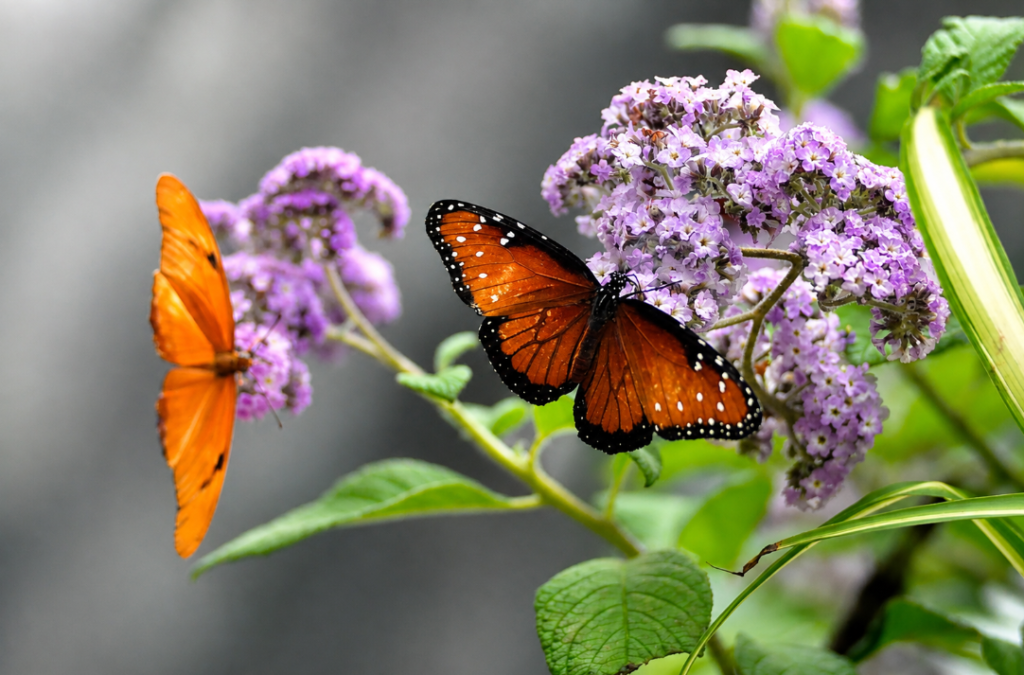
A clear view of the foreground butterfly’s wings provides useful patterns for identification, while the softer second butterfly adds depth and movement.
Photograph Butterflies Responsibly
The photograph is never more important than the butterfly or its environment.
Do not touch butterflies, handle their wings or force them to move.
If your presence causes a butterfly to repeatedly fly away, you are too close and should step back.
Stay on designated pathways and avoid stepping into flower beds to improve an angle.
Do not bend, remove or rearrange plants around the butterfly.
Follow posted rules inside butterfly houses, arboretums and public gardens, including any restrictions involving flash photography or equipment.
Leave every location better than you found it and respect the plants, wildlife and other visitors sharing the space.
Build Your Travel Photography Skills
Butterflies are one example of a small, unpredictable subject that requires patience, observation and careful focusing.
For broader guidance on composition, lighting, equipment and photographing different subjects while traveling, visit my complete Travel Photography Tips guide.
Common Butterfly Photography Mistakes
Most beginner problems come from moving too quickly, getting too close or expecting every photograph to work.
Chasing the Butterfly
Watch where it repeatedly feeds and allow it to come back to you.
Getting Too Close
If the butterfly repeatedly leaves because of your presence, step back and use a longer focal length when possible.
Using Too Slow a Shutter Speed
Butterfly wings and flowers can move even when the subject appears nearly still.
Focusing on the Wings Instead of the Eye
A sharp nearest eye usually creates a stronger focal point.
Ignoring the Background
Bright stems, signs and clutter can pull attention away from the butterfly.
Taking Only One Frame
Wing position changes quickly, so capture several photographs when the butterfly gives you the opportunity.
Trying Flight Photos Too Soon
Build confidence with landed butterflies before attempting unpredictable movement in the air.
Disturbing the Habitat
Never damage flowers, step into planted areas or move wildlife for a better photograph.
Quick Butterfly Photography Checklist
Butterfly Photography FAQ
What is the easiest way for a beginner to photograph butterflies?
Wait until a butterfly lands rather than beginning with in-flight photographs. Stay near flowers it repeatedly visits, move slowly, focus on the nearest eye and take several frames while it remains in position.
What shutter speed should I use for butterfly photography?
For a resting butterfly, approximately 1/800 to 1/1250 second is a useful starting range. Faster movement may require 1/1600 to 1/2000 second or more, while in-flight photographs may require around 1/2500 to 1/3200 second. Adjust for the available light and actual movement.
Where should you focus when photographing a butterfly?
Focus on the nearest eye whenever possible. A sharply focused eye creates a clear focal point even when parts of the wings or flowers fall outside the depth of field.
Do you need a macro lens to photograph butterflies?
No. A telephoto zoom lens can be very useful because it allows you to fill more of the frame while keeping enough distance from the butterfly. A macro lens can capture fine detail but is not essential for beginners.
Can you photograph butterflies with an iPhone?
Yes. Clean the lens, tap the butterfly’s eye or head to set focus, take several frames and use an optical telephoto option when available. Avoid getting so close that you disturb the butterfly.
What is the best light for butterfly photography?
I prefer morning, early evening and softer overcast conditions. These situations can provide more even light and reduce the harsh highlights and deep shadows often created by strong midday sun.
How do you keep a butterfly from flying away?
You cannot control the butterfly, and you should not try. Move slowly, stay far enough away that it behaves naturally, watch which flowers it prefers and wait quietly for another opportunity if it flies away.
How do you photograph butterflies in flight?
Use a fast shutter speed, continuous autofocus and burst shooting. Leave extra room around the butterfly so you can follow its movement, begin tracking before pressing the shutter and expect many missed frames while you practice.
Try Another Moving-Subject Photography Challenge
If you enjoy learning how to photograph unpredictable subjects, my guide to taking clear photographs of moving fish at an aquarium covers another challenging situation involving movement, focus and timing.
You can also download my free Smartphone Travel-Photography Cheat Sheet for practical reminders you can carry on your next outing.
Patience Makes the Photograph
Learning how to photograph butterflies is a gradual process.
Begin with butterflies that have already landed. Focus on the nearest eye and practice creating sharp photographs without disturbing the subject.
As your focusing and timing improve, experiment with faster-moving butterflies and eventually try photographs in flight.
Whether you carry a Nikon and telephoto lens or simply use your iPhone, patience and careful observation will make the greatest difference.
Watch first. Move slowly. Respect the garden. Let the butterfly behave naturally—and be ready when the moment comes to you.
About Angela
Angela Addington is the travel photographer and writer behind Lenses & Latitudes. She shares firsthand destination guidance and practical photography advice for independent and solo travelers, women over 50, road-trippers and weekend explorers. Learn more about Angela.