
Every Great Photographer Started with One Click
Before the portfolio, before the published image, before the camera bag full of favorite gear, there was one photograph that came first.
No photographer begins as an expert. We begin by noticing something, raising the camera and deciding that the moment is worth keeping.
Photography Starts Before You Know What You’re Doing
Every photograph teaches you something—even the ones you would never show anyone.
It is easy to look at an experienced photographer’s work and assume they always knew what they were doing.
They did not.
Before anyone understood exposure, composition, light, timing or storytelling, they had to pick up a camera and start.
That first photograph may have been crooked.
The light may have been terrible.
The subject may have been centered simply because that felt right.
None of that matters.
What matters is that the shutter was pressed.
I Have Been Learning Since 1994
I began photographing seriously in 1994, and I am still learning.
My early experience included sports photography at Notre Dame, where timing mattered and moments happened quickly.
You could not ask an athlete to repeat the play because your settings were wrong.
You learned by watching, anticipating and being ready.
Over the years, photography took me in different directions.
I photographed sports, places, people, architecture, roadside details, street art, wildlife, historic locations and the destinations I now cover through Lenses & Latitudes.
My photographs have appeared in publications and tourism materials, but none of those opportunities changed the basic way photography works.
You still improve one frame at a time.
Practice Matters More Than Perfection
Photography is one of those skills that makes far more sense when you are actually doing it.
You can read about golden hour.
You can watch videos about composition.
You can memorize camera settings.
But eventually you have to stand in front of a real scene, make a decision and take the picture.
That is where the learning happens.
You begin to understand how quickly light changes.
You notice which angles flatten a scene and which ones create depth.
You learn that moving a few feet can completely change a composition.
You discover that patience often matters more than equipment.
The photographs that do not work are not wasted photographs. They are part of the process.
You Do Not Need the Perfect Camera to Begin
The best camera for learning is the one you will actually use.
I shoot with different tools depending on the situation.
There are times when I want the control and reach of a DSLR.
There are other times when the most useful camera is the phone already in my hand.
The fundamentals do not disappear when the equipment changes.
You are still looking for light.
You are still deciding what belongs in the frame.
You are still waiting for the right moment.
You are still telling a story.
Expensive equipment can expand what you are able to do, but it cannot replace curiosity or attention.
A Camera Changes What You Notice
One of the greatest gifts photography has given me is the habit of paying attention.
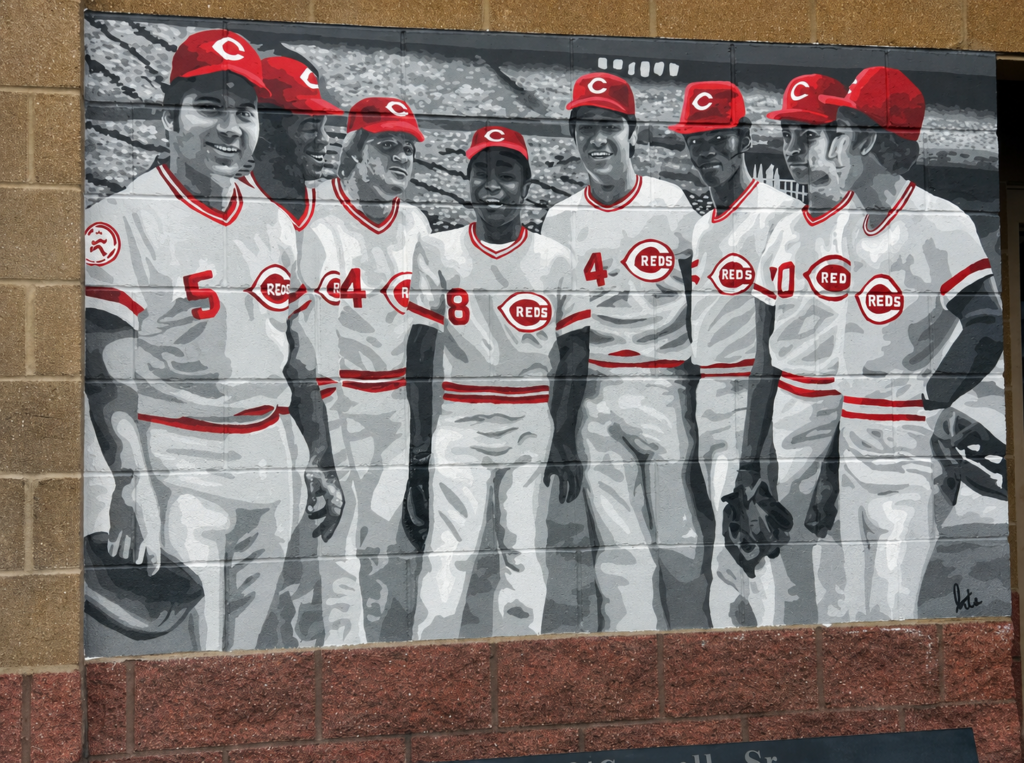
A mural becomes more than a painted wall.
A historic theater becomes a collection of lines, textures, light and memory.
A roadside stop becomes part of a larger travel story.
A window reflection, a weathered sign, a shadow or a patch of evening light can become the photograph you remember most from the day.
Photography encourages you to slow down enough to notice details other people may pass without seeing.
That habit is one of the reasons photography and travel fit together so naturally for me.
Photography Changed the Way I Travel
When I travel, I am rarely looking only for the obvious photograph.
Of course I photograph landmarks.
But I also notice murals, signs, windows, architecture, storefronts, small-town details, museum interiors, transportation, food, wildlife and the visual clues that tell you where you are.
Those photographs become more than content for a blog post.
They become a record of how the trip felt.
That is one of the reasons I encourage new photographers to practice close to home rather than waiting for a once-in-a-lifetime destination.
You do not need Paris, the Grand Canyon or an African safari to learn how to see.
You can learn on your own street.
Six Things I Would Tell a New Photographer
Take More Photographs
Reading helps, but practice changes your instincts. The more you photograph, the faster you recognize what works.
Learn Light Before Gear
A modest camera in beautiful light can produce a stronger photograph than expensive equipment used without attention to lighting.
Move Your Feet
Do not photograph everything from the first place you stop. Step closer, back up, crouch down and look for a different angle.
Photograph What Interests You
Your strongest body of work will come from subjects you genuinely enjoy rather than subjects you think photographers are supposed to photograph.
Keep the Misses
Bad photographs can teach you exactly what went wrong. Study them instead of pretending every frame needs to be successful.
Do Not Compare Your Beginning to Someone Else’s Middle
Experienced photographers have usually spent years developing the work you are seeing. Give yourself time to develop your own eye.
You Do Not Have to Feel Ready
Confidence is usually the result of taking photographs—not the requirement for taking them.
New photographers often wait until they understand more.
They wait for a better camera.
They wait for a more interesting destination.
They wait until they feel like a “real photographer.”
That waiting can last a very long time.
The better approach is to start before you feel ready.
Take the picture.
Look at what worked.
Look at what did not.
Then take another one.
One Simple Photography Challenge
Take ten photographs of one ordinary place.
Do not travel somewhere special.
Choose somewhere familiar.
Your backyard.
A downtown block.
A park.
A coffee shop.
A building you pass all the time.
Then photograph it ten different ways.
Change your angle.
Move closer.
Photograph a detail.
Use a reflection.
Look for light and shadow.
Try a wide view and a tight composition.
The point is not to produce ten masterpieces.
The point is to train yourself to see more than one photograph in the same place.
Build Your Photography Skills One Lesson at a Time
If you are working on your photography, you do not need to learn everything at once.
Choose one skill.
Practice it until it becomes more natural.
Then move to the next one.
Explore the Travel Photography Tips collection for practical lessons on light, perspective, sunsets, panoramas, wildlife, unusual subjects and travel photography techniques.
You may also enjoy Take the Picture—Even If No One Else Understands Why, another personal essay about trusting what catches your eye.
The Next Click Matters More Than the First One
Your first photograph does not have to be good. It only has to exist.
Then you take another.
And another.
You begin to notice light differently.
You start recognizing stronger compositions.
You become more patient.
You become more curious.
Eventually, you look back and realize you are no longer the photographer who took that first frame.
That is how growth happens—one click at a time.
About Angela
Angela Addington is the travel photographer and writer behind Lenses & Latitudes. She shares firsthand destination guidance and practical photography advice for independent and solo travelers, women over 50, road-trippers and weekend explorers. Learn more about Angela.
Pingback: How to Take Stunning Photos at an Aquarium: Tips for Clear Shots, Moving Fish, and Perfect Tank Selfies - Lenses and Latitudes