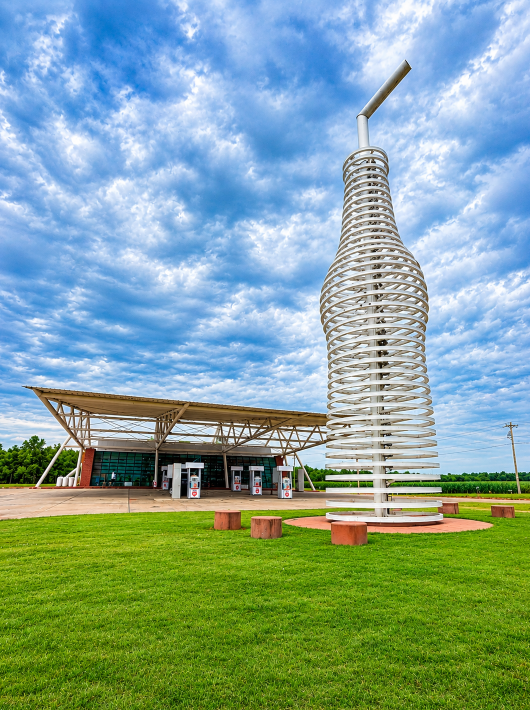
The giant soda bottle at POPS 66 in Oklahoma is one of the memorable roadside attractions along historic Route 66.
How I Plan a Midwest Road Trip Without Turning It Into a Race
Planning a Midwest road trip can be almost as exciting as taking one. There are historic highways to explore, quirky roadside attractions to photograph, wonderful small towns to discover and major cities filled with museums, restaurants and experiences worth traveling for.
But how do you decide where to go, how far to drive each day, where to stay and what to book in advance?
This guide is based on what I learned planning our June 2026 adventure: eight days, eight states and approximately 2,200 miles from Richmond, Kentucky, through Indiana, Illinois, Missouri, Kansas, Oklahoma, Arkansas and Tennessee before returning home.
Build the Trip Around What Matters Most
The biggest lesson from our Midwest road trip was to create enough structure to keep the trip moving while leaving enough freedom for the places we never expected to discover.
What began as an invitation to visit Tanganyika Wildlife Park in Kansas eventually became an eight-day, eight-state road trip covering approximately 2,200 miles.
My brother Craig and I traveled from Richmond, Kentucky, through Indiana, Illinois, Missouri, Kansas, Oklahoma, Arkansas and Tennessee before returning home.
Along the way, we discovered historic Route 66 attractions, unusual museums, memorable hotels, incredible wildlife encounters, colorful murals and unexpected roadside surprises.
The trip taught me quite a bit about balancing ambitious travel plans with the freedom to explore.
If you’re thinking about planning your own Midwest road trip, these are the lessons and practical tips I would use again.
Looking for our actual route? Read my 8-Day Midwest Road Trip Itinerary → for the destinations, attractions, hotels and experiences we visited each day.
For the inspiration behind the adventure, start with The Ultimate Midwest Road Trip →
Start With the Experience You Most Want
One of the easiest mistakes when planning a road trip is choosing a long list of destinations before deciding what matters most.
Instead, I recommend beginning with one or two experiences you’re genuinely excited about.
For our Midwest trip, Tanganyika Wildlife Park in Goddard, Kansas, was the starting point.
Once I knew Kansas would be part of our route, I began looking at what else we could experience along the way.
Could we incorporate Route 66?
Would St. Louis make a good overnight stop?
Were there unusual attractions, historic hotels or interesting restaurants between Kentucky and Kansas?
Those questions helped transform a simple destination trip into a much larger adventure.
Choose Your Road Trip Anchors
Your anchor experiences might include:
- A major museum or cultural attraction
- A national or state park
- An animal encounter or conservation experience
- A historic hotel or distinctive accommodation
- A famous highway such as Route 66
- A city you’ve always wanted to explore
- A special event with fixed dates
Once you identify your non-negotiable experiences, build the route around them.
My advice: Choose no more than one major attraction for most travel days. Two may work if they’re close together and neither requires several hours.
Trying to squeeze three major experiences into a day that also includes five hours of driving is usually a recipe for exhaustion.
Decide Whether to Plan a Loop or a One-Way Route
The next step is deciding what kind of road trip makes sense for your starting location and available time.
Loop Road Trips
A loop begins and ends in the same place but returns by a different route.
That’s the approach we used for our Midwest adventure.
We traveled west toward Kansas, continued through Oklahoma and Arkansas, then headed back toward Kentucky.
A loop worked well because it gave us opportunities to visit different destinations without simply retracing our route.
One-Way Road Trips
A one-way route can be a great choice when you’re flying into one city, renting a car and returning home from another.
However, consider possible rental-car drop-off fees, flight costs and additional transportation arrangements.
Out-and-Back Routes
An out-and-back trip can be the simplest option for a shorter vacation.
It also gives you a second opportunity to stop somewhere you missed on the outbound journey.
How I Recommend Choosing
Ask yourself three questions:
- How many days do I have available?
- What is the farthest destination I really want to reach?
- Can I return home using a different route with worthwhile stops?
Use Google Maps or another navigation app to create an initial route with your major destinations.
Then compare the total distance and estimated driving time before adding smaller attractions.
Remember that the shortest route isn’t necessarily the most interesting one.
Be Realistic About Daily Driving Times
This may be the most important lesson in planning a successful road trip.
Five hours of driving doesn’t mean you’ll reach your destination exactly five hours after leaving your hotel.
You’ll likely stop for fuel, meals, restrooms, photographs and attractions along the way.
On a road trip filled with interesting roadside discoveries, those stops can add up quickly.
My Suggested Daily Driving Guidelines
| Planned Driving Time | Best Use |
|---|---|
| 2–3 hours | Relaxed sightseeing day |
| 3–4 hours | Comfortable travel with several stops |
| 4–5 hours | Manageable with a few planned attractions |
| 5–6 hours | Longer travel day; fewer major activities |
| 6+ hours | Primarily a driving day with limited sightseeing |
These are planning guidelines, not strict rules. Road conditions, weather, traffic, the number of drivers and individual comfort all matter.
For an attraction-heavy road trip, I would aim for approximately three to four hours of actual driving on most days whenever possible.
Build a Time Cushion Into Your Schedule
Imagine a day that includes:
- Four hours of driving
- A one-hour lunch
- Two roadside stops lasting 30 minutes each
- A two-hour museum visit
- An additional hour for parking, fuel and unexpected delays
That’s already nine hours before allowing for hotel check-in, dinner or additional discoveries.
During our first day traveling toward St. Louis, I discovered just how easily a driving day could become a full day of exploring.
We found murals, historic landmarks, unusual roadside attractions and places we hadn’t planned to spend much time visiting.
You can read about those discoveries in my Day 1 Route 66 adventure through Illinois and Missouri →
Travel tip: Whenever possible, arrive at your overnight hotel before you’re completely exhausted. Allow extra time for darkness, weather, traffic and breaks.
Balance Famous Attractions With Roadside Discoveries
A Midwest road trip offers two very different kinds of experiences.
There are the major attractions you plan months in advance.
And then there are the unexpected places you discover because something catches your attention.
Our journey included both.
We planned time for Tanganyika Wildlife Park, City Museum in St. Louis and Wonders of Wildlife in Springfield, Missouri.
But we also discovered colorful murals, unusual roadside landmarks, antique malls, historic buildings and small-town attractions.
Some became highlights of the entire adventure.
Try the One-Anchor Approach
For a typical travel day, I recommend:
- One major experience
- One or two smaller planned stops
- Flexible time for unexpected discoveries
If your major attraction requires most of the day, save additional sightseeing for another date.
For example, we devoted two days to Tanganyika Wildlife Park rather than trying to experience everything in a single afternoon.
You can read more about our first day at Tanganyika and why returning for a second day made such a difference.
Leave Room for Route 66
Historic Route 66 is especially well suited to travelers who enjoy roadside photography, nostalgic attractions, small towns and unexpected stops.
It’s also a good example of why rigid scheduling doesn’t always work.
A mural might take only five minutes to photograph.
An antique mall that looks like a quick stop might turn into several hours of exploring.
If you’re following a historic highway, give yourself permission to enjoy the places that make it special.
Choose Hotels That Work With Your Route
When planning a multi-state road trip, lodging decisions can have a major impact on both your budget and overall experience.
I don’t automatically choose the least expensive hotel.
Instead, I look at location, parking, comfort, convenience and whether the property offers something memorable.
During our Midwest trip, we stayed at several accommodations that helped shape the entire experience.

The Cheshire — St. Louis, Missouri
The Cheshire in St. Louis gave us a wonderfully distinctive overnight experience.
Its British-inspired atmosphere, themed suites and proximity to Forest Park made it much more than a place to sleep.
During our stay, complimentary parking was another welcome benefit.
Hotel at Old Town — Wichita, Kansas
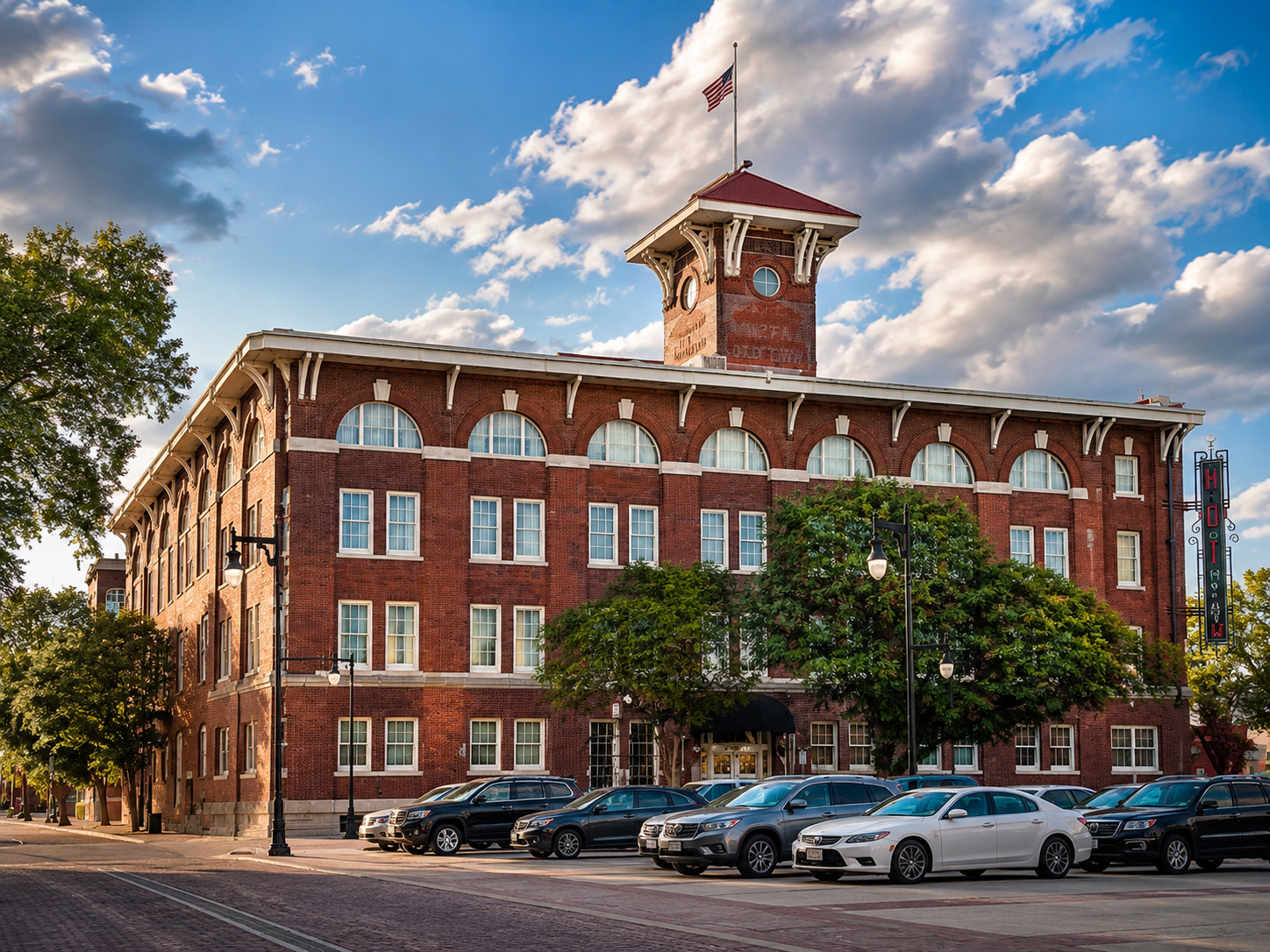
Hotel at Old Town combined historic character with a walkable location in Wichita’s Old Town district.
We appreciated its covered parking and the convenience of exploring nearby restaurants without constantly moving the car.
It also made a practical base for our visits to Tanganyika Wildlife Park.
The Empress of Little Rock — Arkansas
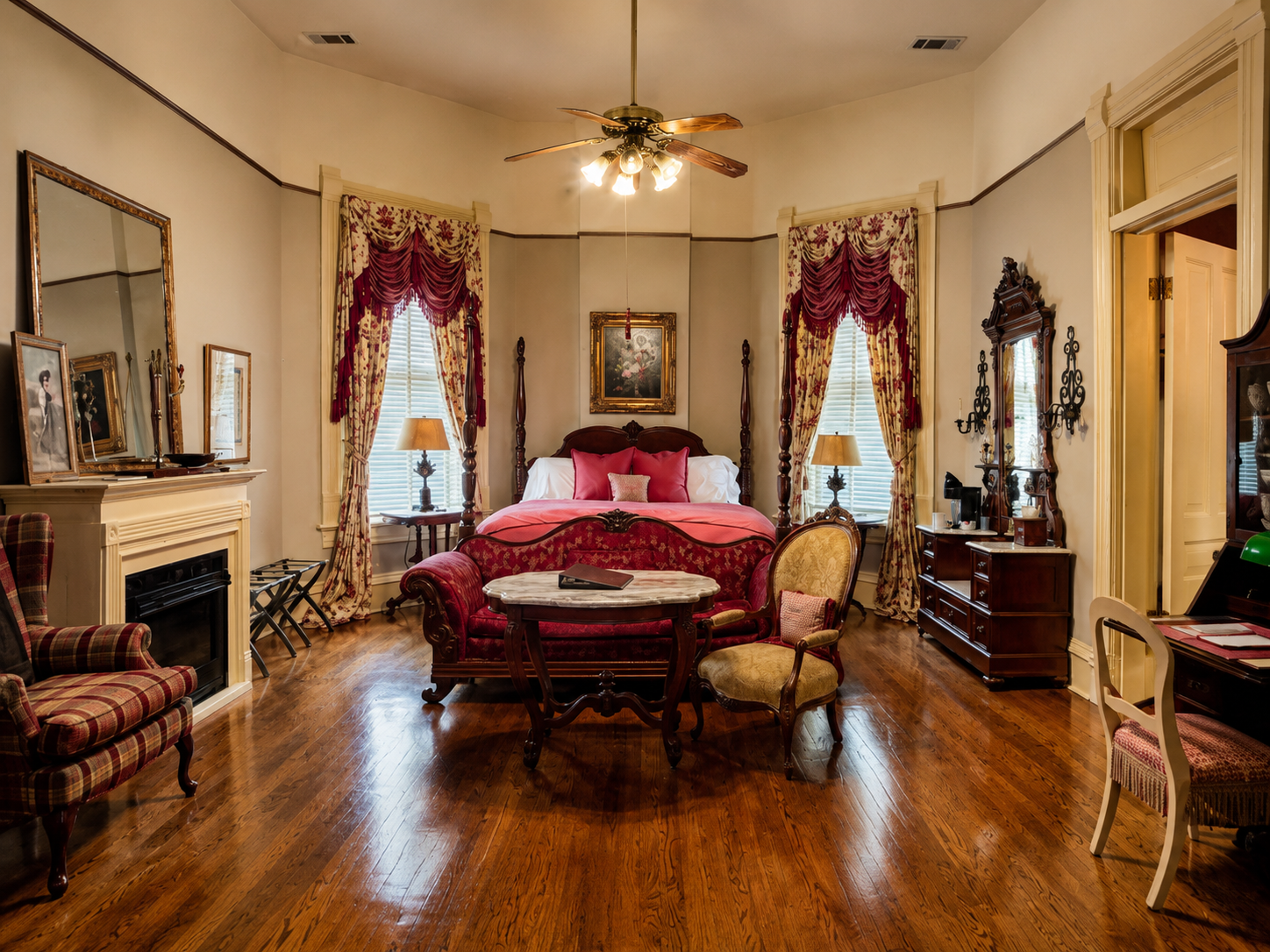
The Empress of Little Rock was one of our most distinctive accommodations.
Staying in the historic Hornibrook Mansion made the hotel itself part of our Little Rock experience.
For travelers interested in architecture, historic properties or unique lodging, accommodations like this can become attractions in their own right.
Want to compare our three most memorable historic stays? Read my guide to unique places to stay on a Midwest road trip for a firsthand look at The Cheshire in St. Louis, Hotel at Old Town in Wichita and The Empress of Little Rock—including their architecture, atmosphere and who each hotel suits best.
My Hotel Booking Checklist
Before reserving a hotel, I recommend checking:
- Total nightly cost, including taxes and fees
- Parking availability and daily charges
- Distance from planned attractions
- Breakfast availability
- Cancellation policies
- Check-in and check-out times
- Neighborhood and walking convenience
- Elevator access and accessibility, if needed
- Recent guest reviews
Budget tip: Always compare the total cost rather than the advertised room rate. A lower-priced downtown hotel with expensive parking may cost more than a slightly higher-priced property with complimentary parking and breakfast.
Disclosure: Selected hotel experiences during this trip included hosted accommodations. Those relationships are disclosed in the corresponding hotel reviews and at the end of this guide.
Don’t Forget Fuel, Parking & Toll Costs
Hotel rates and attraction tickets may be the most obvious travel expenses, but transportation costs deserve just as much attention.
Estimate Your Fuel Budget
A simple formula can help:
Estimated fuel cost = Total trip miles ÷ Vehicle MPG × Expected price per gallon
For example, suppose your route covers 2,200 miles, your vehicle averages 30 miles per gallon and fuel costs an assumed $3.50 per gallon.
Your estimated fuel expense would be approximately $257.
That’s an illustration, not our actual fuel expenditure or a current gasoline price.
Add a cushion for detours, traffic, idling and changing fuel prices.
Check Parking Before You Arrive
Parking can become an unexpected expense, especially in downtown hotel districts.
During our June 2026 trip, our Hyatt Place Oklahoma City/Bricktown stay included a $32 overnight parking charge.
That was the rate during our visit, not a guarantee of current pricing.
Other properties, including Hotel at Old Town and The Cheshire, provided complimentary parking during our stays.
Those differences matter when you’re spending a week moving between cities.
Other Transportation Expenses
Depending on your route, consider:
- Toll roads and bridges
- Parking garages at museums and attractions
- Valet parking
- Rental-car fees
- Additional mileage allowances or restrictions
- Roadside assistance
- Routine vehicle maintenance before departure
If you’re traveling solo, I also recommend identifying a few convenient fuel stops along long stretches of highway, particularly when traveling after dark.

Our visit to Tanganyika Wildlife Park in Goddard, Kansas, was one of the experiences that shaped our Midwest road trip itinerary.
Book Limited-Capacity Attractions in Advance
Not every road trip attraction requires advance reservations.
Some roadside landmarks are available to photograph whenever you pass through.
Others may require timed admission, special experience reservations or tickets for a specific date.
Understanding the difference can save you disappointment.
Experiences Worth Reserving Early
- Premium wildlife encounters
- Popular museums with timed tickets
- Guided tours with limited capacity
- Special events and performances
- Historic attractions requiring reservations
- Unique accommodations with limited rooms
Tanganyika Wildlife Park was one of the experiences we prioritized when planning our route.
Because we wanted to enjoy multiple animal encounters, reserving those experiences and allowing sufficient time was important.
You can read about our first day at Tanganyika Wildlife Park and why we returned for a second day.
Other major attractions, including City Museum and the Gateway Arch, deserve advance research even when admission arrangements differ.
Keep Reservations Organized
For each ticketed experience, record:
- Attraction name and address
- Date and arrival time
- Reservation confirmation
- Parking instructions
- Cancellation policies
- Accessibility or participation requirements
- Photography restrictions
I like having essential information available even when internet service is unreliable.
Take screenshots or download confirmations in advance.
Always verify current admission requirements and hours directly with the attraction. Policies can change.
Build a Realistic Midwest Road Trip Budget
A road trip budget should include more than hotels and gasoline.
The more states and cities you visit, the easier it becomes to overlook small expenses that add up over the course of a week.
Example: An Eight-Day Road Trip Budget
The following is an illustrative planning budget for one traveler using their own vehicle, staying seven nights and paying standard public rates. It’s not a record of what we spent on our 2026 trip.
| Expense | Example Cost |
|---|---|
| Hotels: 7 nights × $150 | $1,050 |
| Fuel: approximately 2,200 miles | $257 |
| Meals: 8 days × $55 | $440 |
| Attractions and admission | $300 |
| Parking and tolls | $100 |
| Miscellaneous | $100 |
| Subtotal | $2,247 |
| 10% contingency | $225 |
| Estimated Planning Total | $2,472 |
Illustrative eight-day road trip budget. Costs vary by destination, travel dates and personal preferences.
Your actual expenses may vary considerably based on hotel choices, vehicle efficiency, travel dates, dining preferences and paid attractions.
Shared hotel rooms can also significantly change per-person costs.
Where I Would Save Money
- Choose hotels with complimentary parking or breakfast.
- Use grocery stores for snacks and drinks.
- Balance paid attractions with free outdoor landmarks.
- Avoid unnecessary driving across the same city.
- Book refundable lodging when plans may change.
- Look for attractions that provide several hours of value rather than paying for multiple short visits.
Where I Would Consider Spending More
I would invest in experiences that are genuinely important to the trip.
For us, that included wildlife encounters and distinctive places to stay.
A memorable attraction or hotel may be worth the added expense if it becomes a central part of the journey.
The key is making deliberate choices rather than spending without a plan.
Pack for the Road, Not Just the Destination
Packing for a road trip is different from packing for a flight.
Having your own vehicle gives you more flexibility, but it doesn’t mean you need to bring everything you own.
A crowded car makes it harder to find what you need and can make frequent hotel changes frustrating.
Road Trip Essentials
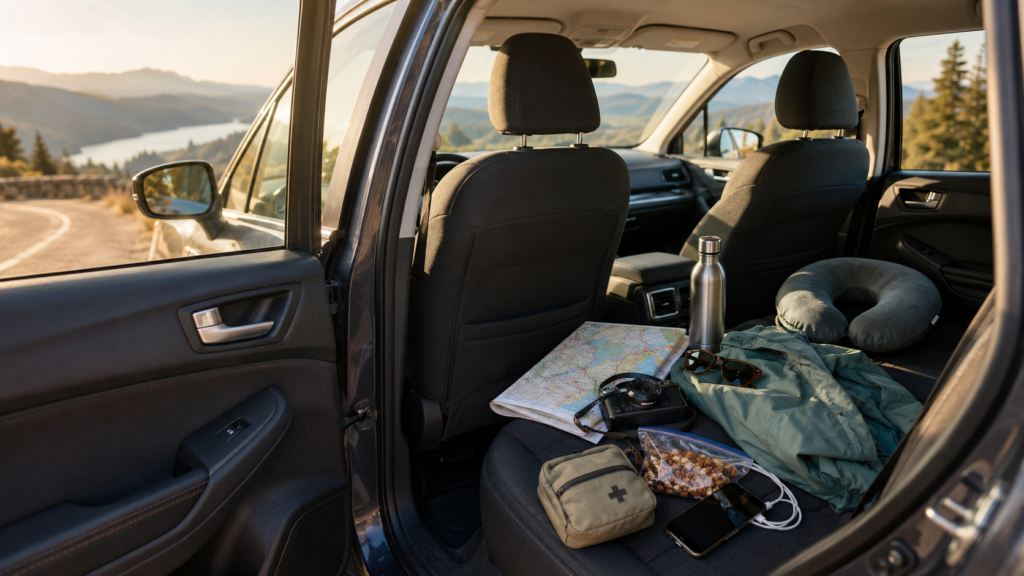
Keep the following items easily accessible:
- Driver’s license, vehicle registration and insurance information
- Phone charger and charging cable
- Navigation app with offline maps downloaded
- Refillable water bottle
- Snacks
- Sunglasses
- Sunscreen
- Weather-appropriate layers
- Comfortable walking shoes
- Umbrella or lightweight rain jacket
- Basic first-aid supplies
- Personal medications
- Flashlight
- Tire-pressure gauge and basic vehicle emergency supplies
Photography Essentials
Because photography is a major part of my travels, I also plan for:
- Camera or smartphone
- Spare batteries or portable charger
- Extra memory cards, if applicable
- Lens-cleaning cloth
- Small camera bag
- Portable photo backup solution
- Space on my phone for spontaneous pictures
One of my favorite road trip photography habits is capturing establishing shots before moving closer.
For murals and roadside landmarks, a wide photograph shows the setting, while detail photographs capture the artwork or architectural features that caught my attention.
At the end of each day, I also recommend backing up your favorite photographs instead of waiting until you return home.
Plan Around Weather, Daylight & Seasonal Closures
The Midwest experiences a wide range of seasonal conditions.
Summer road trips offer longer daylight hours, but heat, humidity, thunderstorms and busy attractions can affect your plans.
Spring and fall can provide comfortable sightseeing opportunities, although weather can be unpredictable.
Winter requires additional preparation, particularly when driving across areas affected by snow, ice or strong winds.
My Seasonal Planning Tips
Before departure:
- Check the forecast for each major overnight destination.
- Monitor severe weather alerts.
- Review road construction and closures.
- Confirm seasonal attraction hours.
- Check whether outdoor experiences operate in poor weather.
- Keep at least one indoor backup attraction in mind.
For current conditions, use the National Weather Service and state transportation resources.
Don’t forget that daylight matters, especially if murals, landmarks and outdoor photography are important parts of your trip.
I prefer planning visually interesting outdoor stops when lighting is favorable, then using midday or evening hours for indoor attractions, meals or travel.
Make Time for Small Towns & Unexpected Stops
Some travelers build road trips around famous cities.
Others prefer scenic highways and quiet places.
My favorite trips combine both.
On our Midwest adventure, major attractions provided structure, but the smaller discoveries often added the personality.
The Pink Elephant Antique Mall in Illinois is a perfect example.
What could have been a brief roadside visit developed into a much longer and more entertaining experience.
We also made spontaneous discoveries along Route 66 and found unexpected places worth photographing.
How to Leave Room for Discovery
Rather than scheduling every hour, I recommend reserving flexible blocks of time.
Not every day will follow that pattern.
But having flexibility keeps the trip from feeling like a race.
If you discover something interesting, you’ll have the freedom to explore without throwing your entire itinerary off schedule.
Keep Your Road Trip Plans Organized
A great road trip needs a flexible plan that is easy to reference.
You don’t need an elaborate planning system, but you do need a way to keep the essential information together.
What I Track Before Departure
For each travel day, I recommend recording:
| Planning Item | What to Include |
|---|---|
| Starting point | Overnight city or hotel |
| Destination | Next overnight city |
| Driving | Estimated miles and drive time |
| Major attraction | Primary scheduled experience |
| Smaller stops | Optional roadside discoveries |
| Reservations | Tickets and confirmation details |
| Hotel | Address, check-in, parking |
| Meals | Restaurants worth considering |
| Budget | Estimated daily expenses |
| Backup plan | Alternatives for weather or closures |
A shared document, notes app or spreadsheet can work well.
Google Maps is also useful for saving locations and identifying clusters of attractions.
The important part is keeping the itinerary accessible without constantly searching through emails or websites.
My planning rule: The itinerary should guide your day, not control every minute of it.
Learn From What Worked on Our Midwest Road Trip
Looking back at our eight-day journey, several decisions stand out.
What I Would Do Differently
If I were repeating a similar route, I would strongly consider adding two or three nights.
Eight days was enough to experience our selected attractions, but additional time in St. Louis, Wichita and along Route 66 would have allowed for a slower pace.
I would also continue paying close attention to hotel parking charges and protecting time for roadside photography.
Those small planning decisions can make a surprising difference.
Frequently Asked Questions
How many days do you need for a Midwest road trip?
A long weekend can be enough for one city and surrounding attractions. For a multi-state adventure that includes Route 66 and several major destinations, seven to ten days offers more flexibility. Our own eight-day journey was active, and additional days would have made it more relaxed.
How many miles should you drive each day?
For an attraction-focused itinerary, I recommend planning around three to four hours of driving on most days. Longer drives can work, but they leave less time for sightseeing, meals and spontaneous discoveries.
Is a Midwest road trip expensive?
It depends on your route, accommodation choices, attraction tickets and dining preferences. Fuel, lodging, food, parking, tolls and admissions should all be included in your budget. Mixing free attractions with paid experiences can make a road trip more affordable.
Should I book all my hotels in advance?
I recommend booking accommodations in advance when traveling during busy periods, visiting popular destinations or staying at unique properties with limited availability. Refundable rates can provide flexibility if your plans change.
Is Route 66 worth including in a Midwest road trip?
Absolutely, especially if you enjoy Americana, murals, roadside architecture, quirky landmarks and small-town history. Rather than trying to drive the entire historic highway, select a manageable section that fits your itinerary.
Can I plan a Midwest road trip alone?
Yes. A solo road trip can offer tremendous independence and flexibility. Choose daily driving distances you’re comfortable with, prioritize well-reviewed accommodations, share your itinerary with someone you trust and avoid pushing yourself when you’re tired.
What is the best way to plan multiple attractions in one day?
Start with your most important attraction, verify how long the experience typically takes and calculate realistic travel time. Add smaller stops only after you’ve protected enough time for the main experience and the drive to your next hotel.
Plan a Midwest Adventure That Leaves Room for Discovery
A successful Midwest road trip doesn’t require visiting every attraction or covering the greatest possible distance.
It’s about choosing experiences that excite you, creating a route that makes sense, managing your time and budget and leaving room for places you never expected to discover.
Our 2026 adventure included approximately 2,200 miles, eight states, memorable wildlife encounters, historic hotels and more roadside surprises than I could have anticipated.
The places you didn’t plan to find can become some of your favorite memories.
Whether you’re organizing a quick weekend escape or a multi-state adventure, I hope this guide helps you plan a trip that feels exciting rather than overwhelming.
Partnership Disclosure
Some accommodations and attractions featured in my 2026 Midwest road trip were hosted or provided media access. These include selected experiences at Tanganyika Wildlife Park, The Cheshire, Hotel at Old Town and The Empress of Little Rock. All opinions are my own. Budget examples in this guide are illustrative and do not represent actual trip expenses.
About Angela
Angela Addington is the travel photographer and writer behind Lenses & Latitudes. She shares firsthand destination guidance and practical photography advice for independent and solo travelers, women over 50, road-trippers and weekend explorers. Learn more about Angela.