
Take the Picture—Even If No One Else Understands Why
The photograph does not have to be dramatic, famous or impressive to anyone else. If something makes you stop and look twice, that may be reason enough to photograph it.
Your camera does not need anyone else’s permission to notice what matters to you.
The Photograph Begins Before You Raise the Camera
Photography begins with attention.
Some people will never understand why you stop walking to photograph an old door.
They may not notice the faded sign above a storefront.
They may walk past the reflection in a rain puddle, the light falling across a brick wall or the mural tucked behind a building.
That does not make the subject less interesting.
It simply means you noticed something they did not.
That difference is one of the things I love most about photography.
Two people can stand in exactly the same place and come home with completely different photographs.
You Do Not Have to Photograph What Everyone Else Is Photographing
A photograph can be meaningful simply because you were the person who saw it.
When I visit a destination, I photograph the major landmarks.
Those photographs matter.
But they are rarely the only images I bring home.
I photograph murals.
Signs.
Windows.
Historic details.
Storefronts.
Architecture.
Roadside attractions.
Small details that help me remember what the place actually felt like.
Those subjects may never become the most popular photographs from a trip, but popularity is not the only measure of value.
Not Every Photograph Needs an Audience
Some photographs are worth taking even if you never post them anywhere.
Photography existed long before social media, but it is easy now to start judging images by how we imagine other people will react to them.
Will people like this?
Will anyone understand why I photographed it?
Is it impressive enough?
Those questions can quietly change the way we see.
Instead of responding to what catches our attention, we begin photographing what we think will perform well.
There is nothing wrong with creating photographs for an audience.
I do it professionally.
But some photographs should remain personal.
A photograph does not become more meaningful because strangers approve of it.
The Ordinary Photograph Can Become Important Later
Time changes photographs.
An image that seems ordinary when you take it can become far more meaningful years later.
I have experienced this with photographs from earlier trips.
At the time, I may have simply been photographing what interested me.
Years later, those images can show a building that has changed, an attraction that no longer exists, a city before redevelopment or a part of a destination that now looks completely different.
That is one reason I rarely dismiss a photograph simply because the subject seems ordinary.
You do not always know what an image will mean later.
My photographs from Ueno Zoo in Tokyo are a perfect example. What began as vacation photographs from my first international trip now document parts of the zoo and its history that have changed dramatically over time.
A Wall Can Tell You Something About a Place
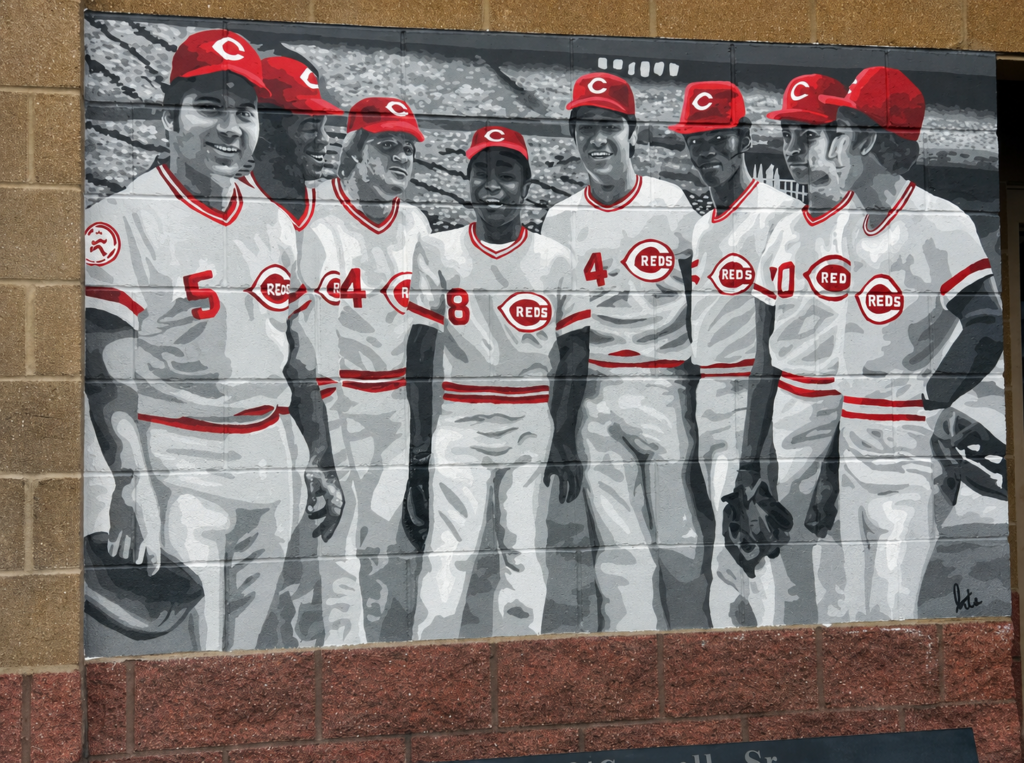
Street art is one of the clearest examples of why I photograph what catches my attention.
A mural can tell you about a town’s history, humor, identity or creative community.
It can transform an alley, parking lot, tunnel or ordinary brick wall into something people stop to see.
That is why I have spent so much time photographing murals during my travels.
Some are large public projects.
Others are easy to miss.
Many will change, fade or eventually disappear.
Photographing them preserves more than paint.
It preserves a piece of a place at a particular moment in time.
Professional Images and Personal Images Can Coexist
As a travel publisher and photographer, I create photographs with specific purposes.
Some need to document an attraction clearly.
Some support an article.
Some help a reader understand a destination before visiting.
Some are created because a tourism partner needs strong visual storytelling.
But that does not mean every frame has to serve a business purpose.
I still take photographs simply because I like what I see.
That freedom matters.
It keeps photography from becoming only a checklist of required shots.
Subjects That Often Tell More of the Story
Signs
Old signs, neon, hand-painted lettering and local business signs can immediately place a photograph in a specific town or era.
Doors & Windows
Architecture becomes more personal when you look beyond the whole building and notice its individual details.
Reflections
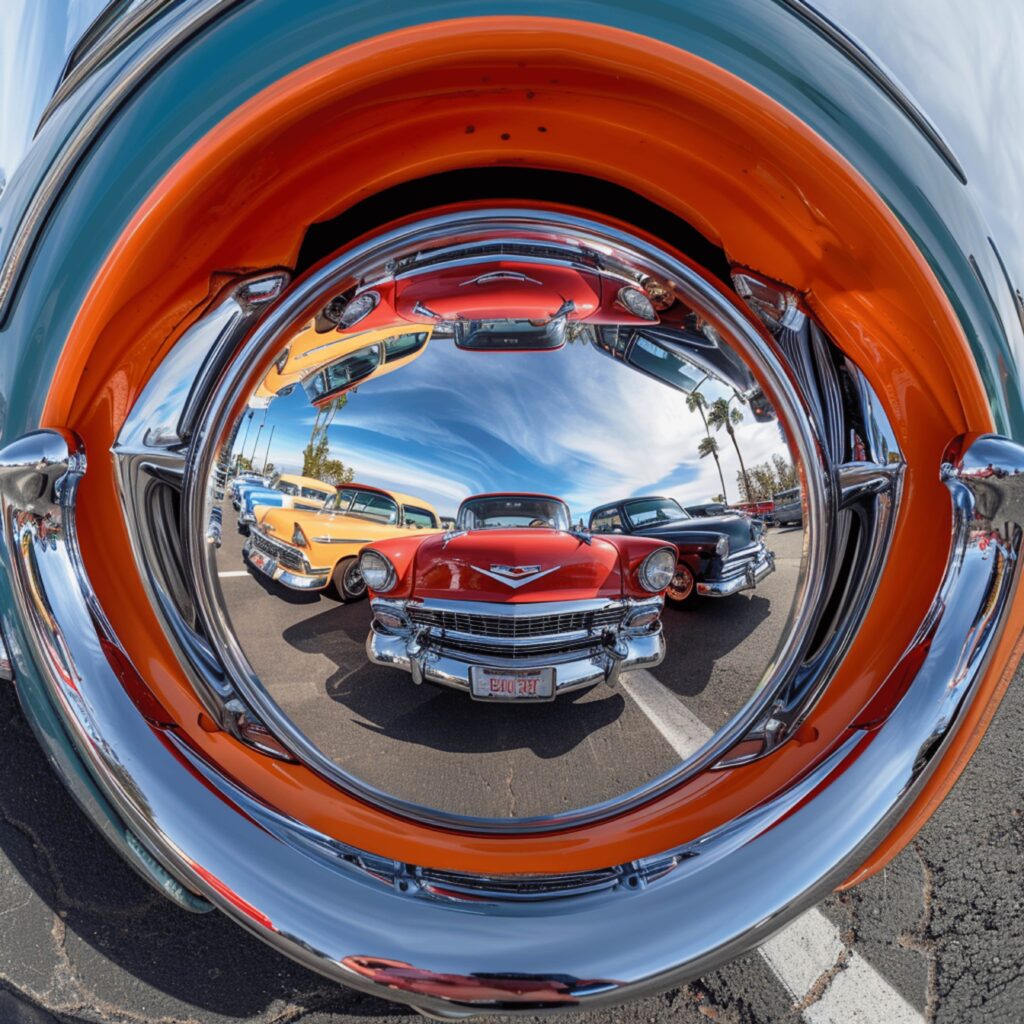
Glass, water and polished surfaces can turn an ordinary scene into a photograph that feels completely different.
Murals & Street Art
Public art often captures the personality of a neighborhood more effectively than another wide shot of downtown.
Roadside Oddities
The giant object, unusual building or quirky roadside stop may become the photograph that most clearly defines a road trip.
Everyday Life
A street corner, market, train platform or café window can preserve the atmosphere of a destination better than a famous landmark alone.
Ask What You Will Want to Remember
When I photograph a trip, I am not only documenting where I went. I am building a visual memory of how I experienced it.
The landmark tells me where I was.
The details tell me what I noticed.
That distinction matters.
Years later, the image that brings a trip back most clearly may not be the photograph everyone recognizes.
It may be a storefront.
A pattern in a train station.
An old theater marquee.
A handwritten sign.
A mural you found around the corner.
Those are the photographs that often carry the atmosphere of the day.
You Do Not Need Professional Gear to Notice Something
The instinct to take a photograph has nothing to do with the camera in your hand.
I use different cameras for different situations, including my phone.
The equipment changes.
The decision does not.
You notice something.
You decide it matters.
You frame it.
You press the shutter.
If you are still building confidence as a photographer, read Every Great Photographer Started with One Click.
That essay is about developing the skill.
This one is about trusting the reason you wanted the photograph in the first place.
Take Five Photographs No One Asked You to Take
Photograph Something Ordinary
Choose a subject most people would walk past without stopping.
Photograph a Detail
Ignore the whole scene and focus on one piece of it.
Photograph Something Temporary
A shadow, reflection, changing light or moment that will disappear quickly.
Photograph Something Only You Seem to Notice
If everyone else keeps walking, that may be exactly the reason to stop.
Keep One Photograph Just for Yourself
Do not post it. Do not measure reactions. Let the photograph exist because you wanted it.
Technique Helps. Curiosity Comes First.
Learning composition, light and camera settings will help you create stronger photographs.
But technique only works after you decide something is worth photographing.
That first instinct—the moment something catches your attention—is worth protecting.
For practical ways to strengthen the photographs you create, explore my Travel Photography Tips collection.
And if photography is one of the ways you push yourself to explore more, read Your Best Stories Begin Outside Your Comfort Zone.
If It Makes You Stop, Take the Picture
You do not owe anyone an explanation for why something was worth remembering.
Photograph the old door.
The fading mural.
The reflection.
The handwritten sign.
The light on the wall.
The roadside place everyone else drives past.
The detail that makes no sense to anyone standing beside you.
Years from now, you may be very glad you did.
Take the picture—even if no one else understands why.
About Angela
Angela Addington is the travel photographer and writer behind Lenses & Latitudes. She shares firsthand destination guidance and practical photography advice for independent and solo travelers, women over 50, road-trippers and weekend explorers. Learn more about Angela.
Pingback: Every Great Photographer Started with One Click - Lenses and Latitudes
Pingback: Sunset Photography Tips for Beginners and Beyond
Pingback: You Don’t Need More Money: You Need More Memories - Lenses and Latitudes
Pingback: Muir Woods in 1983: Seeing the Redwoods Through New Eyes